Food Safety in School Kitchens: Hidden Risks, Common Mistakes, and How to Prevent Them
December 3, 2025
The School Nutrition Commercial Bid Process: Setting Yourself Up for Success–Part One
February 1, 2026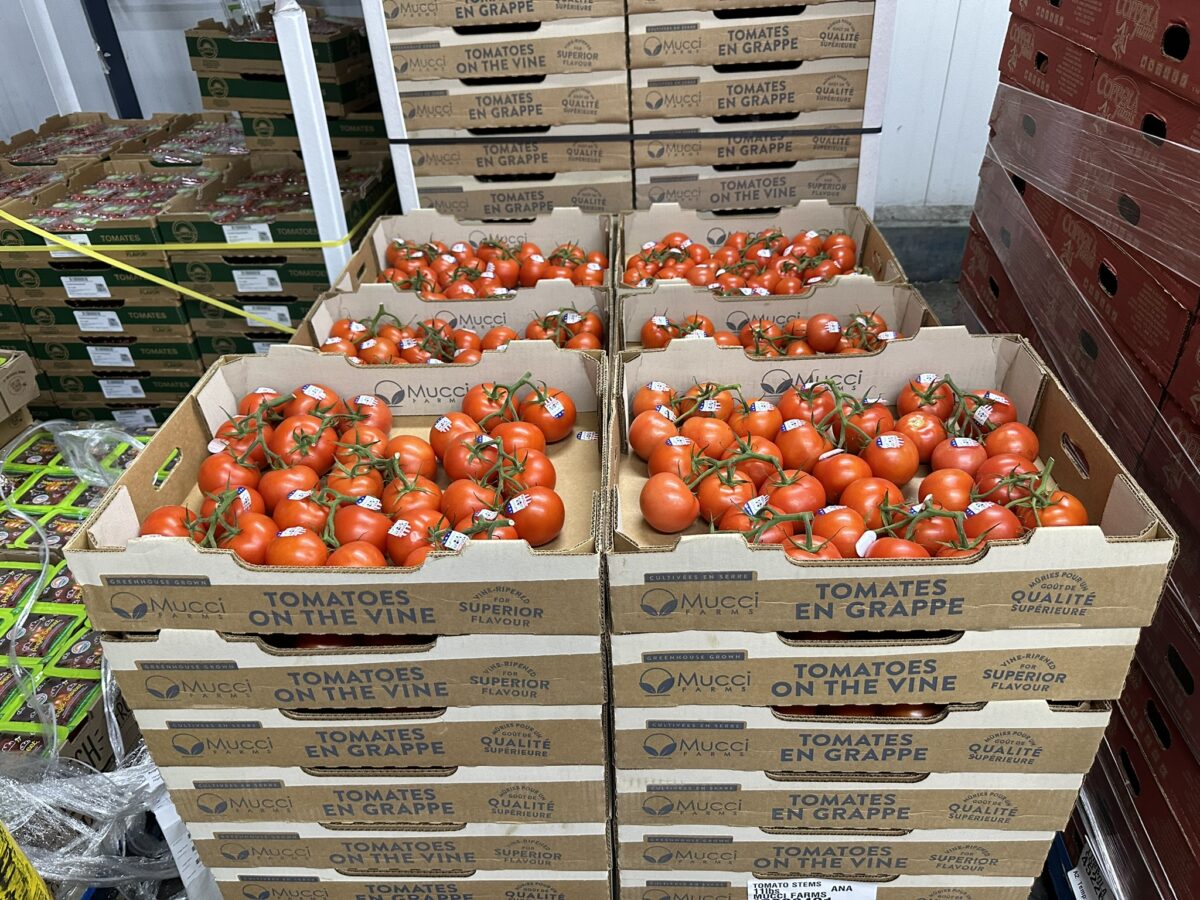
As a school foodservice director, you have options for spending your USDA Foods entitlement dollars, including direct delivery of USDA Foods, the USDA Department of Defense Fresh Fruits and Vegetables program (USDA DoD Fresh), and commodity processing (also called further processing by USDA). How you allocate entitlement funds is a strategic planning decision that can have positive impacts on your program, alleviating some of the strain from labor shortages, rising food costs, and flat or declining participation rates.
District size, staffing, kitchen capacity, and student preferences determine how a program uses its entitlement funds. The flexibility built into the USDA Foods entitlement allows school districts to customize purchases based on their needs. Remember: The best options are the ones that work for your program.
Understanding USDA Foods Entitlement for Schools
USDA Foods entitlement provides school meal program operators with valuable options for sourcing nutritious, American-grown foods, ensuring children have access to fruits, vegetables, grains, and proteins that meet meal program requirements. Commodity entitlement funds also support American farmers by serving U.S. agricultural products in the nation’s school cafeterias.
The USDA Foods entitlement value, determined annually by Congress, is 30.5 cents per reimbursable lunch meal for the 2025-2026 school year. Monitor the entitlement value annually, as it affects how your program uses its entitlement funds.
Commodity entitlement funds can be used in at least three different ways (some states have additional options):
USDA Foods Direct Delivery
Programs use entitlement dollars to purchase bulk-packed products, including fresh produce, ready-to-serve items, and ingredients that require cooking. Products are delivered from USDA and/or state warehouse storage to your school district.
USDA Foods Direct Delivery offers over 200 minimally processed products that can be purchased with entitlement funds. The USDA Foods Available list for the 2026-2027 school year includes a wide variety of fruits, vegetables, proteins, grains, and more. Some items, like liquid whole eggs, require preparation, while others, such as individually portioned dried tart cherries, are ready to serve.
Most state agencies determine their USDA Foods needs by surveying school districts for preference and finding consensus on products to bring into the state. Some states allow individual school districts to place their own orders directly with USDA Foods. Check with your state agency to learn more about its USDA Foods procurement process.
DoD Fresh Fruit and Vegetable Program
Entitlement dollars are used to buy a variety of fresh, often local produce from USDA-approved vendors. USDA DoD Fresh provides the opportunity to spend entitlement funds on fresh produce through a partnership between USDA and the DoD Defense Logistics Agency.
There isn’t a cap on the amount of entitlement funds that can be spent on fresh produce through USDA DoD Fresh. As a director, you can allocate all, part, or none of your entitlement to USDA DoD Fresh. However, any funds you over-allocate will be lost.
USDA Foods Processing (Diversion)
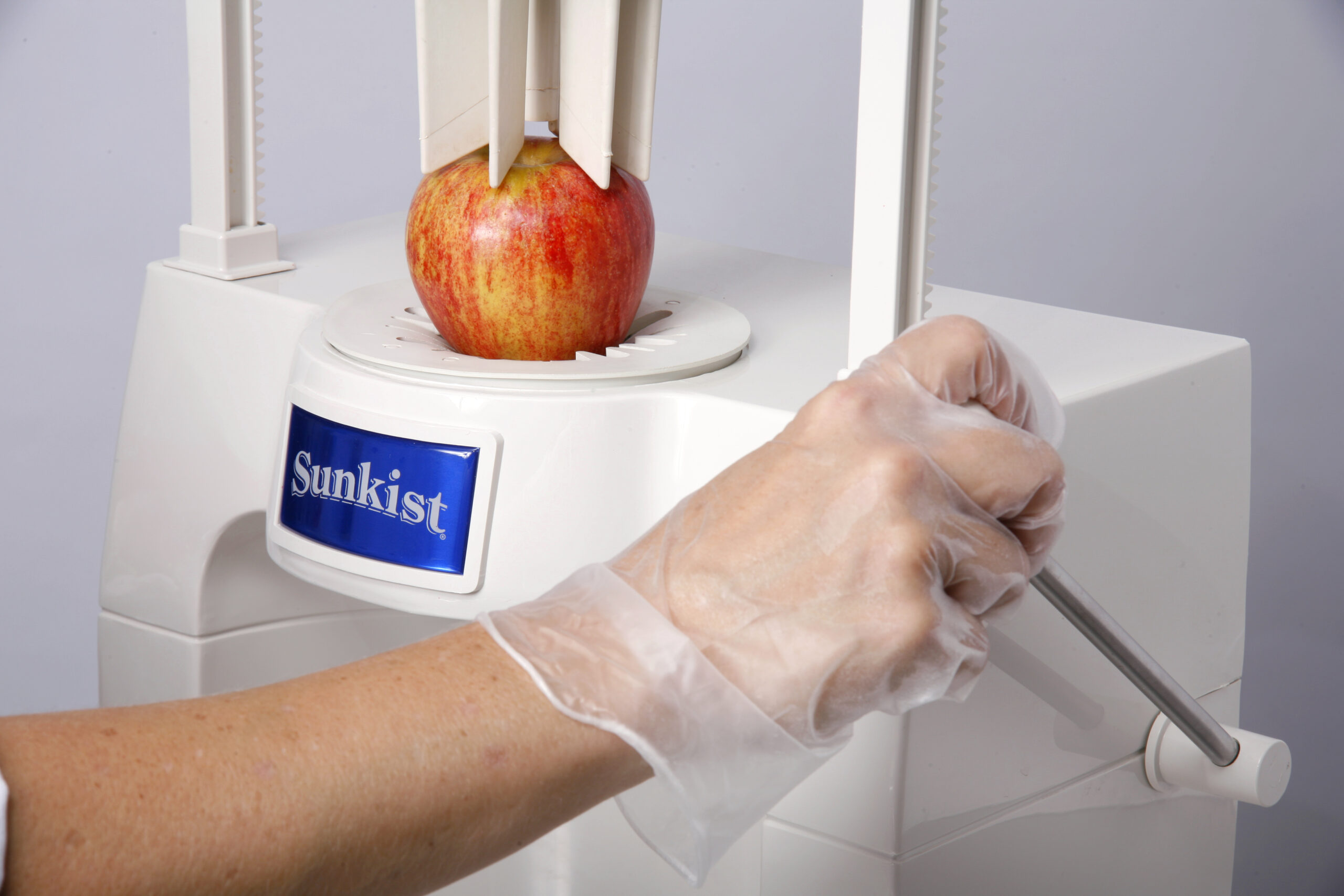
Programs use their entitlement dollars to purchase and ship bulk commodity products such as apples, cheese, and chicken to commercial processors to make value-added products like apple sauce cups, pizza, and breaded chicken tenders.
USDA Foods items intended for commodity processing are found on the USDA Foods Available list and include products such as apples, cheese, tomato paste, potatoes, meats, and grains.
These bulk items can be diverted to processors to make countless convenient menu items. On the USDA Foods Available List, products eligible for diversion will be noted as (For Processing), such as Beans, Pinto, Dry (For Processing).
What is Commodity Processing? (And How it Actually Works)
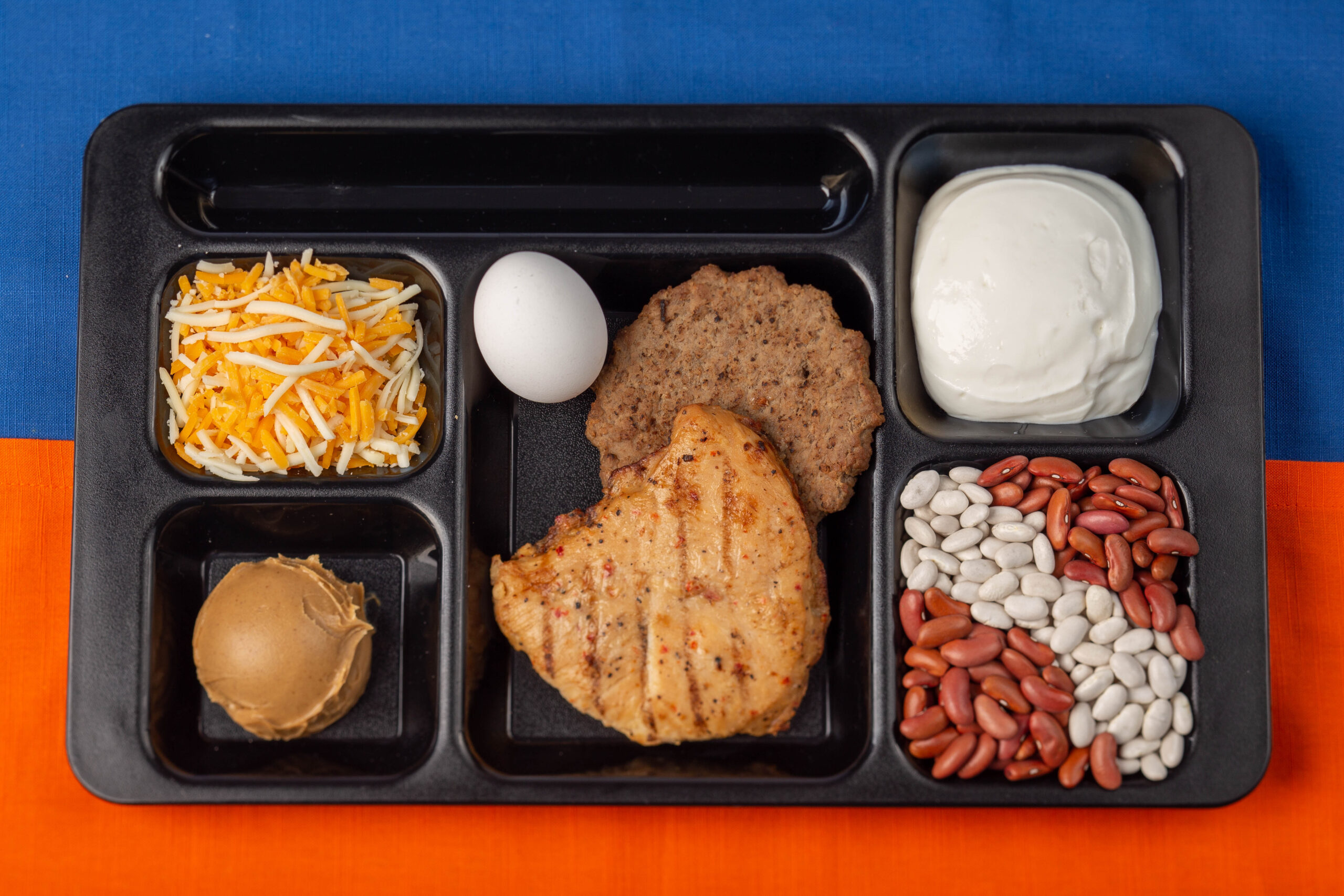
Commodity processing sounds complicated, but this option provides school meal programs with a practical way to turn USDA Foods into value-added menu items while maintaining nutrition standards and cost control.
Here’s how commodity processing works:
- The USDA’s Agricultural Marketing Service buys U.S.-grown commodities in bulk for the USDA Foods program.
- State agencies, along with school food authorities, identify approved commercial processors who will accept USDA Foods for further processing.
- Schools use their USDA Foods entitlement dollars to “divert” raw agricultural products, such as chicken, beef, cheese, grains, or vegetables, to an approved processor rather than receiving them in bulk.
- Processors receive the bulk USDA Foods (by the truckload) and create finished products that meet federal school meal program requirements.
- Processors deliver the finished products to distributors, state agency warehouses, or directly to the school food authority.
- School meal programs receive the value-added products for use on their menus.
Your USDA Foods entitlement pays for the food value of diverted products, and the school meal program must also pay fees for processing, delivery, and storage.
Key Terms to Understand Commodity Processing
- Diverted pounds: The amount of USDA Foods allocated to a processor.
- Fee-for-service: The fee your program pays for the commercial processor to process the commodity food into a final product.
- Value pass-through: The credit you receive for the USDA food used in the product. This credit is applied either by discounting the product based on the USDA Food value or by providing a rebate on the USDA Food value after purchase.
Common Misconceptions of Commodity Processing
There are common misconceptions about commodity processing, which are worth clarifying.
Myth 1: Commodity processing costs more. This statement isn’t true in every instance, especially when you factor in the cost savings on labor, waste, and prep time. Always compare the cost of commodity-processed items with commercial equivalents before you buy using the USDA Food Cost Analysis Tool from your state agency.
Myth 2: Processed food is junk food. All commodity diversion products must meet Federal Child Nutrition Program standards, including limits on calories, saturated fat, sodium, and added sugar. These products offer convenience by eliminating preparation and helping meet weekly nutrient requirements.
When Commodity Processing Makes Sense
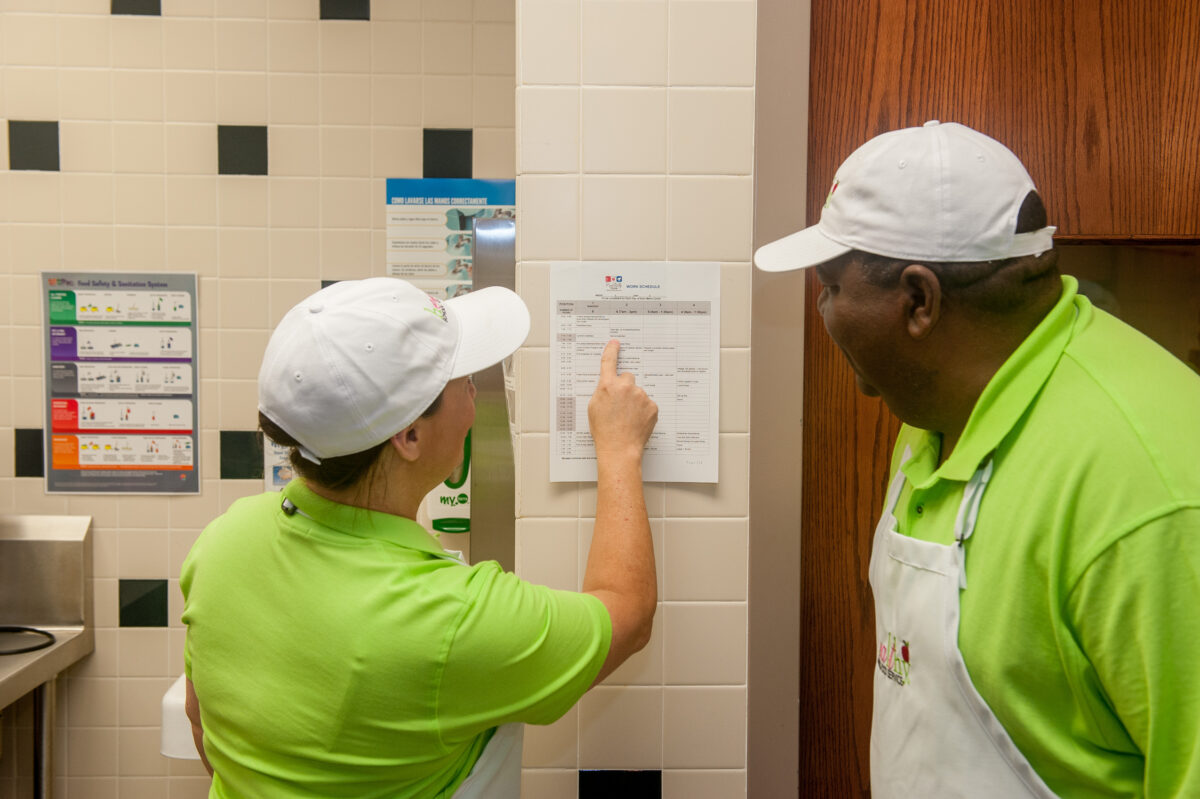
Commodity processing can be a strategic operational choice, especially when school meal programs face staffing challenges or have equipment limitations. Understanding when and why commodity processing adds value helps directors make informed decisions that support both program quality and financial sustainability.
Labor Constraints and Operational Efficiency
Labor shortages and limited training time are common challenges in school meal programs. While scratch cooking is ideal, it requires skilled staff to execute consistently.
Commodity-processed heat-and-serve items can free up staff time, especially when available labor hours are limited. For example, choosing processed frozen pizzas can allow staff to focus on preparing fresh salads and fruit to complement the menu. These products also require few preparation steps, minimizing food safety risk.
Menu Variety, Quality, and Student Appeal
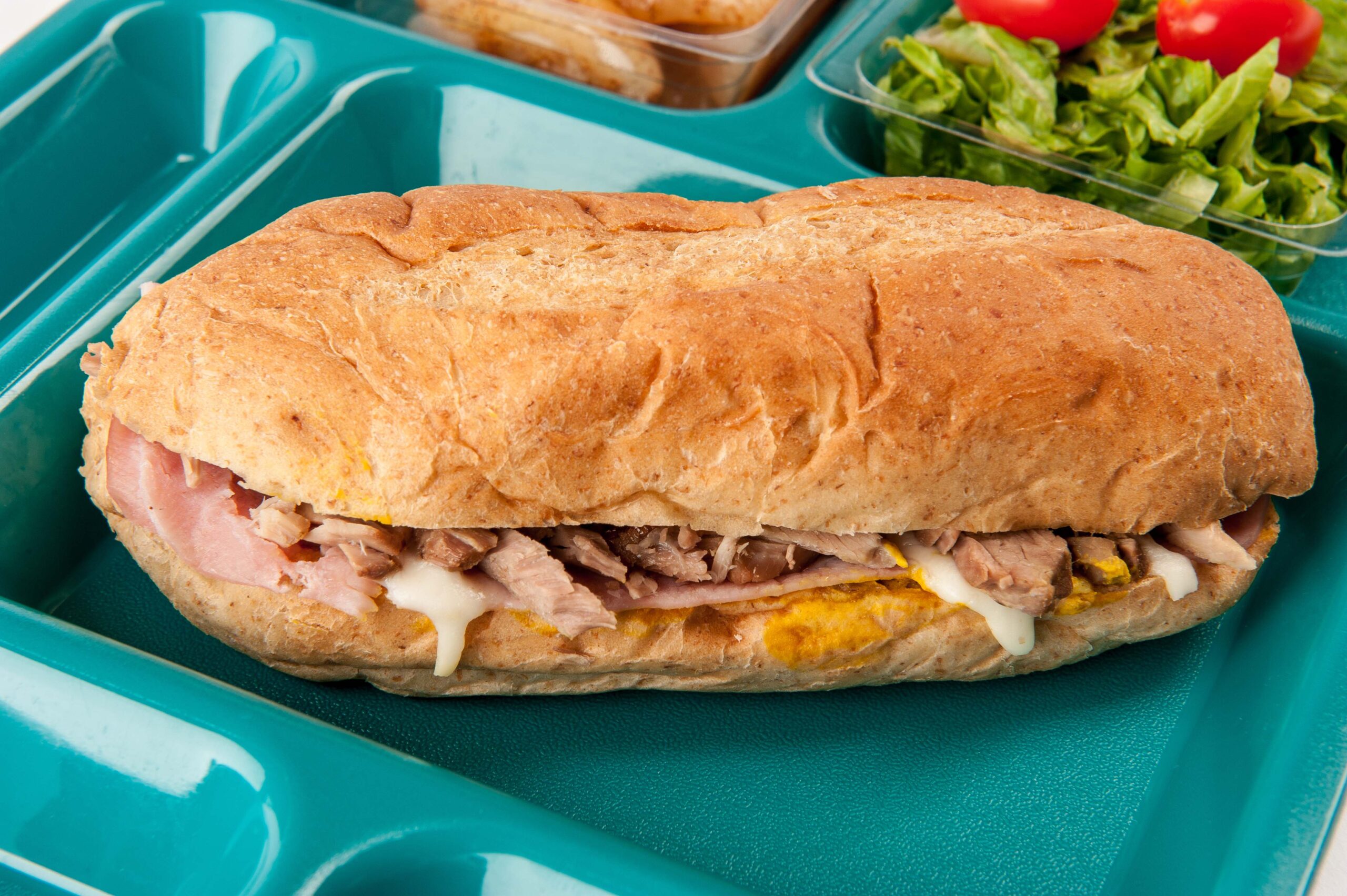
Student acceptance is critical to program participation, and participation drives reimbursement. Processing can introduce new, appealing menu items that boost student participation and improve food quality. Food processing companies work hard to ensure their products are on-trend and represent foods that students might see outside of school and away from home.
Remember, processors are attentive to school nutrition standards and work to ensure their products will help your menus remain compliant. The goal is to find balance in leveraging processed items to increase student appeal while staying within nutrition standards.
Difficult-to-Produce Items
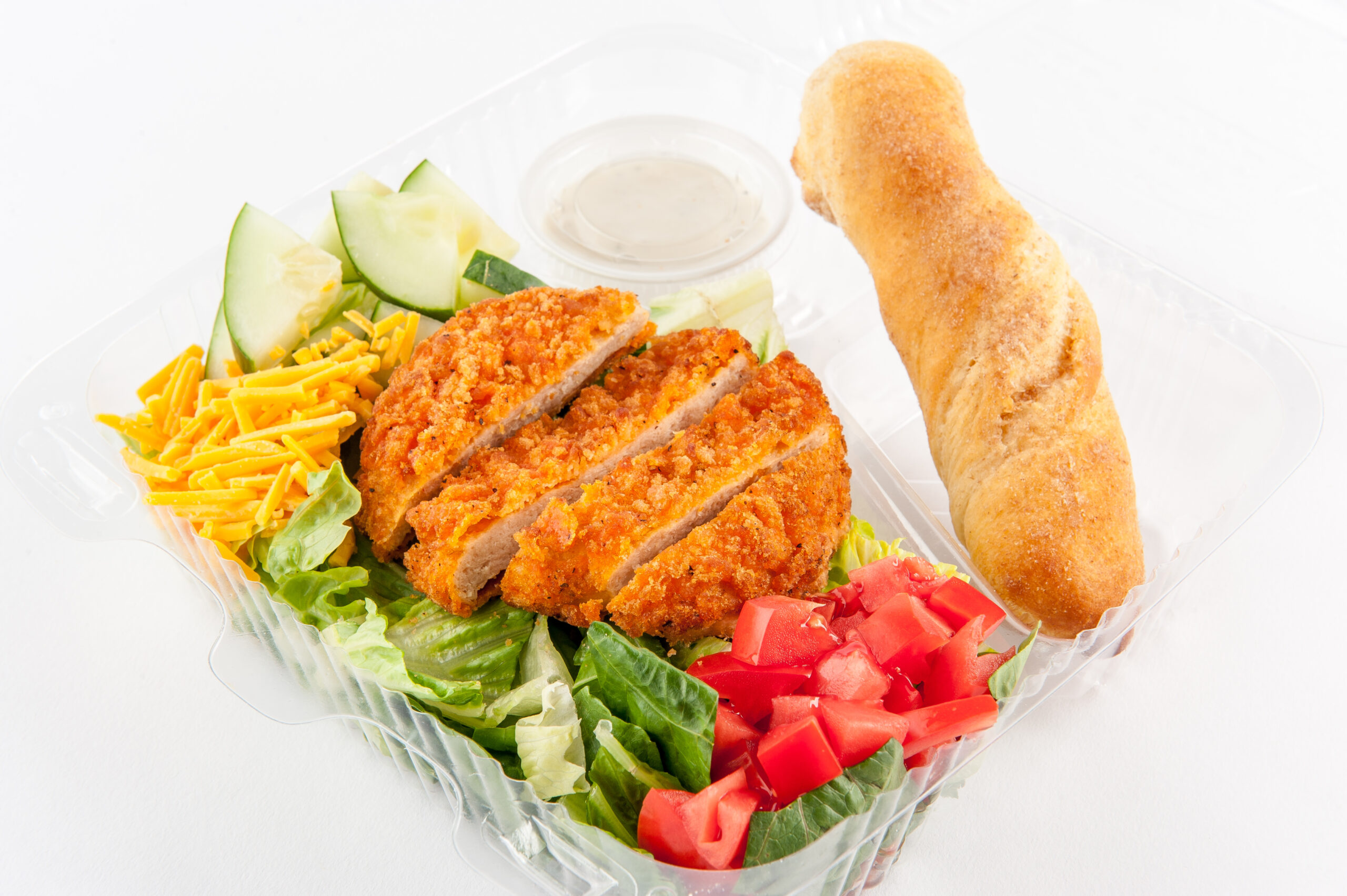
Some popular foods are just too impractical to make consistently in school kitchens. Menu items like breaded chicken, Asian-style proteins, or cooked burger patties require special equipment and additional labor hours to produce in-house.
Processing can provide consistent, high-quality versions of these items that meet student expectations on taste, texture, and appearance.
Participation and Revenue Impact
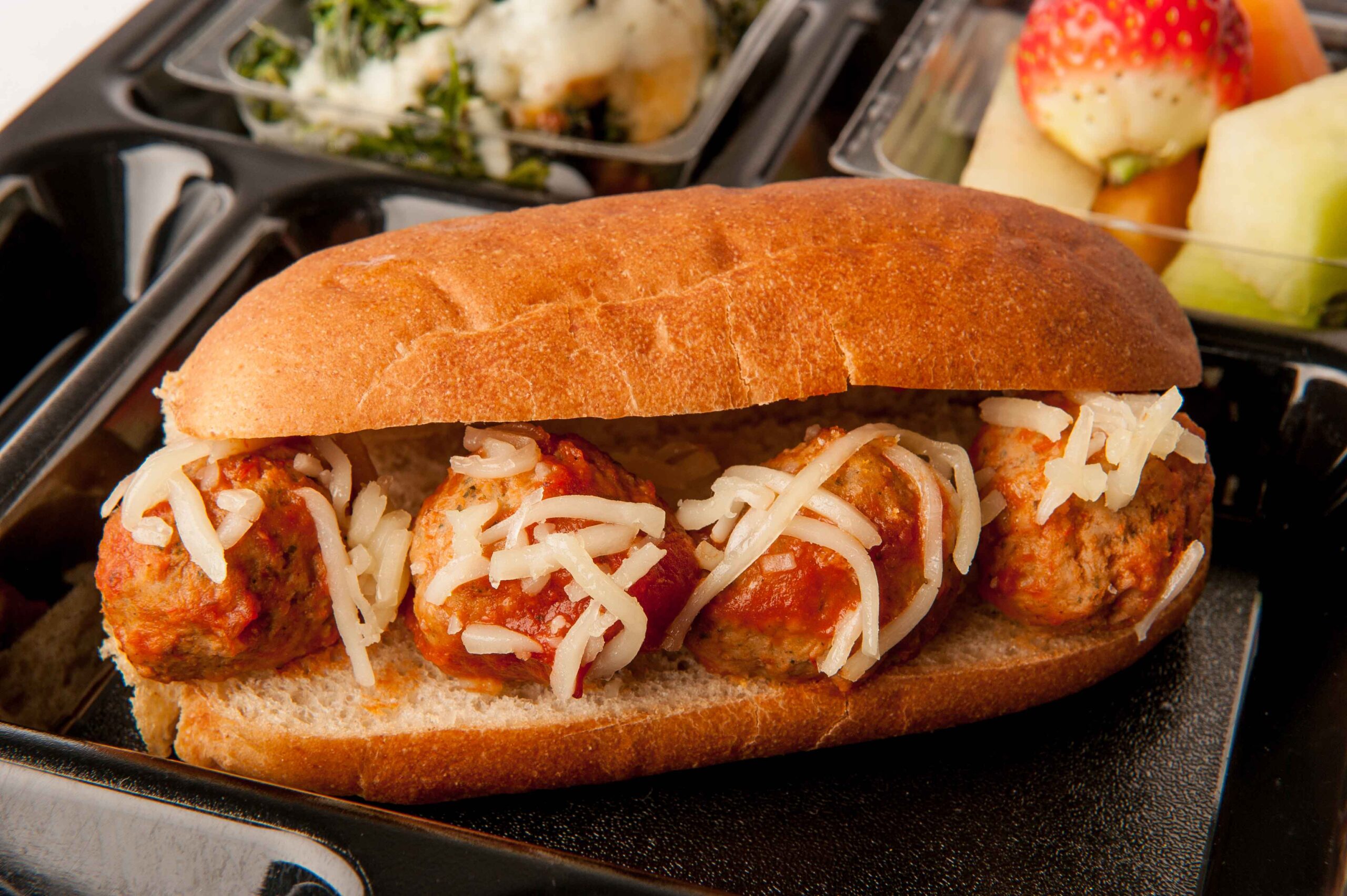
Popular, well-executed processed items can increase meal participation, leading to higher reimbursement and revenue. Look for high-impact entrees that you know your students crave.
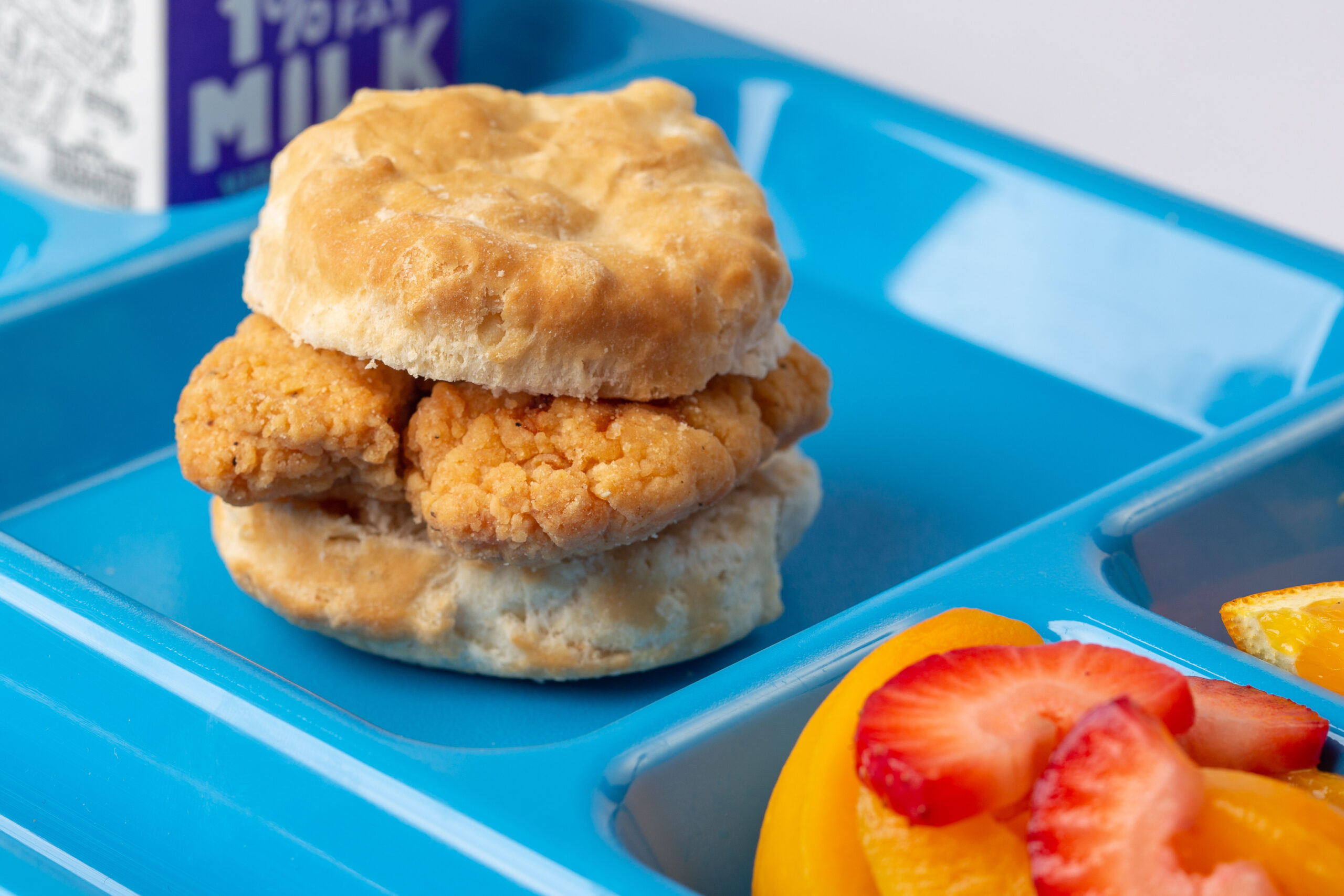
This might be chicken tenders, meatballs, breaded chicken sandwiches, or Asian-inspired entrees served over rice or noodles. From this perspective, sourcing high-quality processed items isn’t just convenient; it can be an intentional revenue-generating strategy.
Cost Consideration: Is Commodity Processing Worth It?
School meal program directors are cost-conscious in every way, especially when it comes to food cost. At first glance, commodity-processed items may appear more expensive than scratch-made alternatives. However, to really compare costs, the director must evaluate the total cost of service, not just the per-serving food cost.
The complete cost picture will account for the entitlement value, processing fees, storage and delivery fees, and administrative labor costs.
- Entitlement value: the USDA Foods value of the raw product that is diverted to the processor. This value changes annually and must be closely monitored.
- Processing fees: processors charge fees to convert raw commodities into finished products. These fees cover labor, additional ingredients, cooking, and packaging.
- Storage and delivery: Frozen or refrigerated items may be expensive to store and distribute.
- Administrative labor costs: the time spent on tasks like tracking inventory, calculating meal pattern crediting, and preparing Summary End Product Data Schedules.
While processed items sometimes cost more per serving, the savings come from fewer labor hours, reduced training requirements, and reduced waste. Heat-and-serve products are quick, easy, and often improve portion control.
Scenario: Scratch-Made vs. Processed Chicken
A scratch-made, breaded chicken filet may have a lower overall food cost, but it requires skilled labor, specialized equipment, and careful food safety monitoring. A processed breaded chicken filet, though higher cost, arrives portioned, ready to cook, perfectly seasoned, and consistent.
If a processed breaded chicken filet increases participation by even a small percentage, the additional reimbursement may offset or even exceed the higher product cost.
Leveraging Purchasing Cooperatives
You can make your entitlement dollars go farther by collaborating with other school districts to source products. Joining state or regional purchasing cooperatives can help secure better pricing on high-volume processed items. Your state agency also coordinates state-wide commodity processing contracts for items agreed upon by multiple school meal programs.
Pooling entitlement dollars to purchase the same products gives you more buying leverage when making high-volume purchases. Alternatively, your area may have a purchasing co-op coordinated by several surrounding school meal programs. The best way to find out about purchasing cooperative options is to contact the USDA Foods specialist at your state agency.
Another excellent way to learn about purchasing co-ops is to attend USDA Foods and commodity processing shows. In fact, it is worth prioritizing this annual event. During the USDA Foods and commodity processing shows, you can sample current and new products, including comparing similar products between competing vendors, and start making informed decisions on which items you would consider sourcing with entitlement funds. These events are also a great way to network with processors and to learn about upcoming offerings.
Tools for Informed Decisions
Making sound commodity processing decisions requires reliable information. To ensure you’re getting the best value, many state agencies provide a USDA Foods Cost Analysis Tool. This interactive spreadsheet helps compare processed USDA foods to commercial equivalents, calculating savings per serving and annual savings. The key inputs for this tool include servings per case, yield, entitlement value, and processing fees. You will enter these figures into the spreadsheet, pulling the data from vendor product information and USDA Foods product information. Completing this tool accurately provides you with a full understanding of the associated costs.
The state agency and commodity processing companies will also provide commodity calculators, which are spreadsheet tools used to help forecast costs and entitlement usage based on your planned menu needs. Processors rely on you to send them accurate commodity calculators so they can do their own production forecasting for the year. Completing the commodity calculators on time will help ensure your program will receive the correct amount of product with every delivery.
Best Practices for Successful Commodity Processing
Successful commodity processing begins with planning. Here are our best practices for making commodity processing work for you.
- Start small by selecting high-impact items that offer the most significant benefit to your program.
- Align processing choices with your established menu cycles to ensure consistency and maximize efficiency.
- Track both usage and student acceptance of processed items.
- Ongoing monitoring helps you identify which products resonate with students and support participation goals.
- Regular communication with your warehouse and vendors keeps you connected and ensures timely deliveries, reduces roadblocks, and keeps your supply chain running smoothly.
- Review your commodity processing strategy annually to assess what’s working and where improvements can be made.
- Attend food shows to sample new products, compare vendors, and network with industry professionals.
- Realize that developing solid forecasting skills takes time. Directors new to USDA Foods often over-order an item.
- Be ready to adjust your approach based on participation rates, labor availability, and overall costs.
This flexible, data-driven process ensures your program remains responsive to changing needs and continues to deliver high-quality, nutritious meals to students.
Key Takeaways and Final Thoughts
There is no single “right” answer for USDA Foods entitlement spending because every school meal program must tailor its approach to fit its unique needs. A blend of direct delivery, USDA DoD Fresh, and commodity processing options allows directors to maximize flexibility, menu variety, and operational efficiency.
- Consider not just food costs, but also labor, storage, and participation impacts.
- Collaborate with your state agency and purchasing cooperatives to explore value pricing and contract opportunities.
- Use available tools, like the USDA Foods Cost Analysis Spreadsheet and commodity calculators, to make informed decisions.
- Stay connected with your state agency and attend food shows to keep up with new products and best practices.
Set up a calendar reminder now to revisit your entitlement spending strategy every January. This practice will ensure your program continues to meet its goals and adapt to changing circumstances.
By thoughtfully balancing direct delivery, the DoD Fresh Fruit and Vegetables Program, and commodity processing, you can maximize your USDA Foods entitlement and serve nutritious, appealing meals to your students.