School Nutrition Staffing and Menu Planning: The Summer Tasks that Prevent Fall Chaos
August 9, 2026
Self-Service Food Safety in School Dining
September 24, 2026
Innovation in school nutrition programs often starts like this.
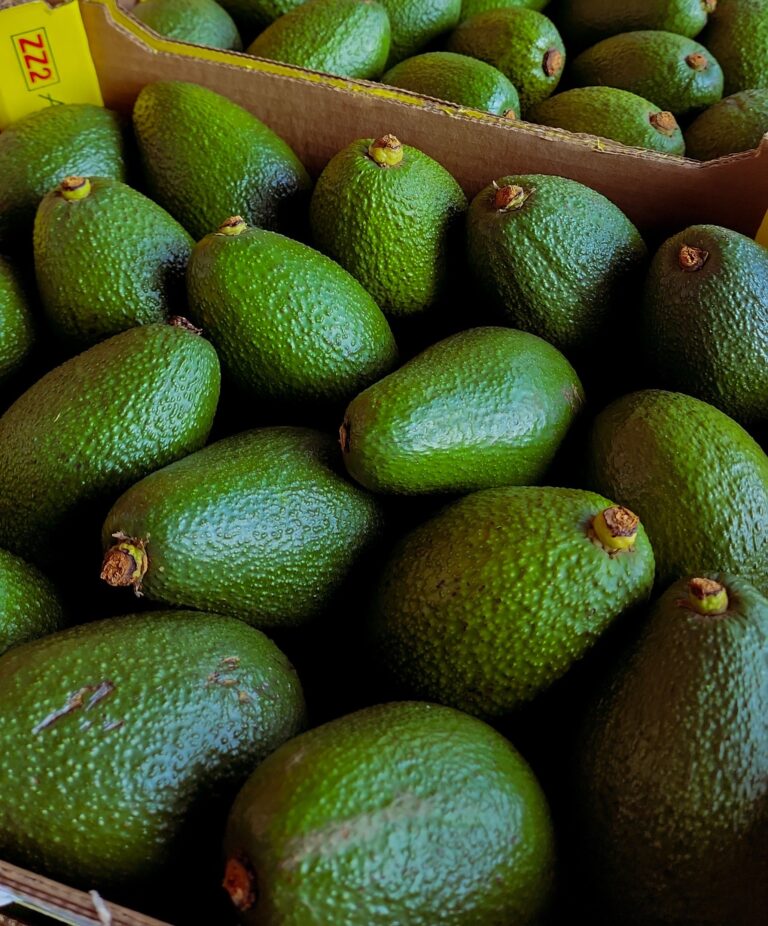
A distributor’s sales rep walks into a district’s central office with samples: sun-dried tomatoes, fresh avocados, and a specialty grain blend. The pitch is simple: “This is what modern school menus look like now.” The items are appealing, the samples taste great, and the district signs a purchase order.
Six months later, the finance director is asking why food costs are up. You notice that some inventory items have a low turnover rate, and managers are questioning your decisions.
Sun-dried tomatoes, avocados, and specialty grains aren’t the problem.
These foods are nutrient-dense, kids may genuinely enjoy them, and there’s nothing wrong with wanting to modernize a menu. The problem is the order of operations. The district bought the food items first and assumed they would figure out the fit and cost later.
Before any new product gets a prime spot on the menu or in a recipe, it must answer several key questions:
- Does it meet meal pattern or nutrition standard requirements?
- Can the item be used in a variety of applications?
- Does the operational infrastructure (labor and equipment) support production?
- Does it work within the budget?
Skip any of these key questions, and even an appropriate and appealing product becomes an expensive mistake. The sequence of the decision is where innovation in school nutrition programs commonly goes wrong.
Why Innovation in School Nutrition Programs Sounds Appealing
Food manufacturers and distributors have a tremendous incentive to position their products as “innovative.” A specialty item differentiates their catalog, commands a higher price point, and gives sales reps something new to pitch. However, it means the sales conversation is built around appeal, not around your program’s specific requirements or Key Performance Indicator (KPI) food cost targets. And industry innovation doesn’t always translate into innovation for your school meal program.
Directors have their own legitimate reasons to say yes to something new. Student participation drives revenue, and limited menus can drive participation down. Trying a new item to boost interest is an obvious solution.
Program leaders sometimes mistake “this looks exciting” for “this fits my program.” A product may look appealing and taste great, but can be cost-prohibitive. Marketing appeal typically drives the sales pitch, but program leaders need to hit back with program fit and affordability.
The Real Cost of Innovation in School Nutrition Programs
Before adding any new item to a menu, it’s worth running the numbers.
>>>>>> What is the full cost of getting an item on the tray?
Food cost. A case of sun-dried tomatoes or fresh avocado often costs significantly more than a canned or frozen vegetable. If that item isn’t replacing an existing food item and is instead being added on top, the per-meal food cost climbs. That change may not show up until the monthly financials come in. For those who don’t check monthly financial reports, the red flag may not be raised until the end of the year. And then you are in real trouble.
Labor cost. Unfamiliar ingredients often mean new prep steps: peeling and pitting, portioning, new equipment, or additional training time for kitchen staff. None of that shows up on the purchase order, but it shows up in labor hours. As you know, if you’ve taken SproutCNP’s Measuring Productivity: Staffing and Meals Per Labor Hour course, labor is one of the biggest expenses in a program’s budget.
Waste. If students don’t recognize an item or aren’t used to it, it often goes straight to the trash regardless of how nutritious it is. Plate waste research has consistently shown that novelty alone doesn’t guarantee acceptance. Familiarity and repeated exposure matter more than most menu decisions account for. An item that’s discarded at a high rate is a lost food dollar and a lost labor hour spent preparing and serving it.
Together, these three costs show how an “innovative” item can quietly erode a program’s financial solvency even when participation numbers look fine on paper.
Start with Meeting Meal Pattern Requirements
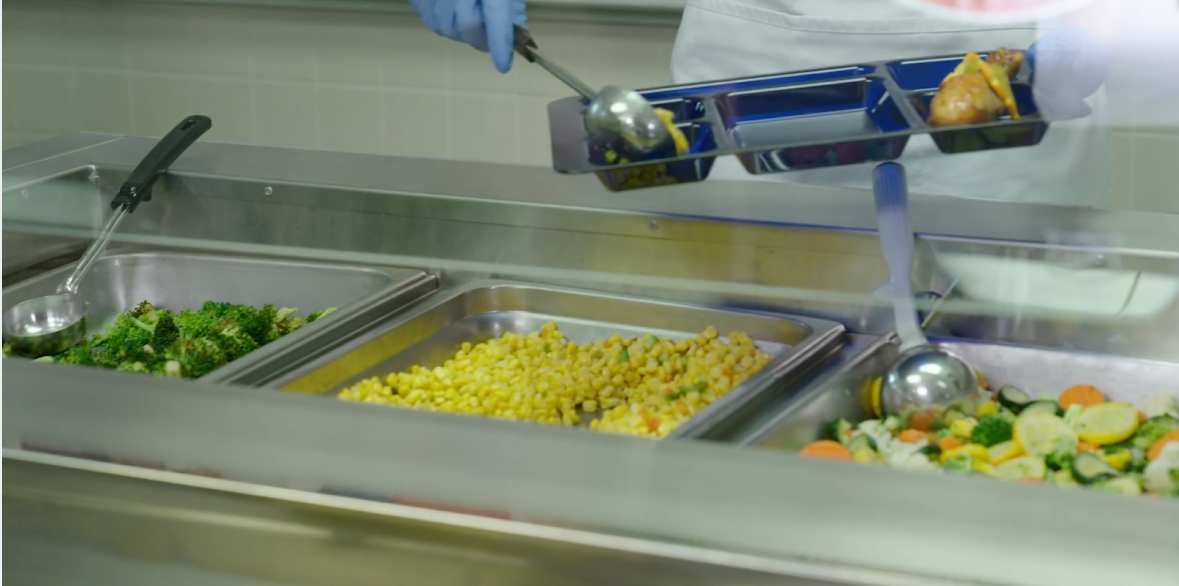
Before cost even enters the conversation, a more basic question remains: does this item count toward the meal pattern?
USDA’s meal pattern requirements specify food components and vegetable subgroups — dark green, red/orange, beans and peas (legumes), starchy, and “other.” Every vegetable served is planned, tracked, and credited to meet weekly minimums. This requirement is where new products can quietly create a compliance problem instead of solving one.
An avocado that meets the “other” sub-group definition must be credited correctly within the required vegetable group. It may not satisfy a subgroup the menu is already struggling to meet, like red/orange or dark green. If a director adds these items, assuming they’ll help meet a shortfall without checking the actual crediting, the program can end up out of compliance in the very subgroup it was trying to fix, while also carrying a higher food cost.
The USDA Food Buying Guide for Child Nutrition Programs is the tool to answer this question. Before approving any new product, check how it credits, in which subgroup, and at what serving size, and take the guesswork out of the decision. It’s a two-minute check that can prevent a six-month budget problem.
A Practical Framework for Innovation in School Nutrition Programs
You don’t have to avoid new products. Before approving anything new, run it through these five questions:
- Does it credit toward a required meal component or subgroup? Check the Food Buying Guide before you commit to a purchase, not after.
- What’s the true cost per serving, including prep labor? Add up the ingredient cost, any new equipment, and the extra time it takes staff to prepare the item, and then add those costs to the invoice price.
- Have you piloted this item, or is this a first-time purchase at scale? A small trial run at one or two schools tells you more than any sales presentation.
- Can current staff prep it without new training or equipment? If additional training is required, factor that cost in before the order goes in, not after.
- Does it fit into more than one menu, or is it a one-off? An item that only works in a single recipe is a much bigger financial risk than one you can use in multiple food items.
This strategy is about making sure a program’s two non-negotiables, meeting meal pattern requirements and staying financially solvent, are locked in before anything else gets layered on top.
Applying the Framework — A Realistic Example
Go back to the opening scenario. If the district had run the fresh avocados and sun-dried tomatoes through this checklist before purchasing:
- A crediting check would have shown the exact subgroup and serving size each item credits toward or if it was simply an added cost. The true cost per serving would have included all costs associated with the new item, not just the ingredient cost.
- A small pilot at two or three schools would have shown participation and waste rates before the district committed to ordering larger quantities.
- A staff capability check would have flagged the extra prep time needed for portioning and pitting before the extra labor surfaced on a busy day.
- A versatility check would have shown whether the item worked in more than one recipe, or whether it was a single-use purchase with no other place on the menu.
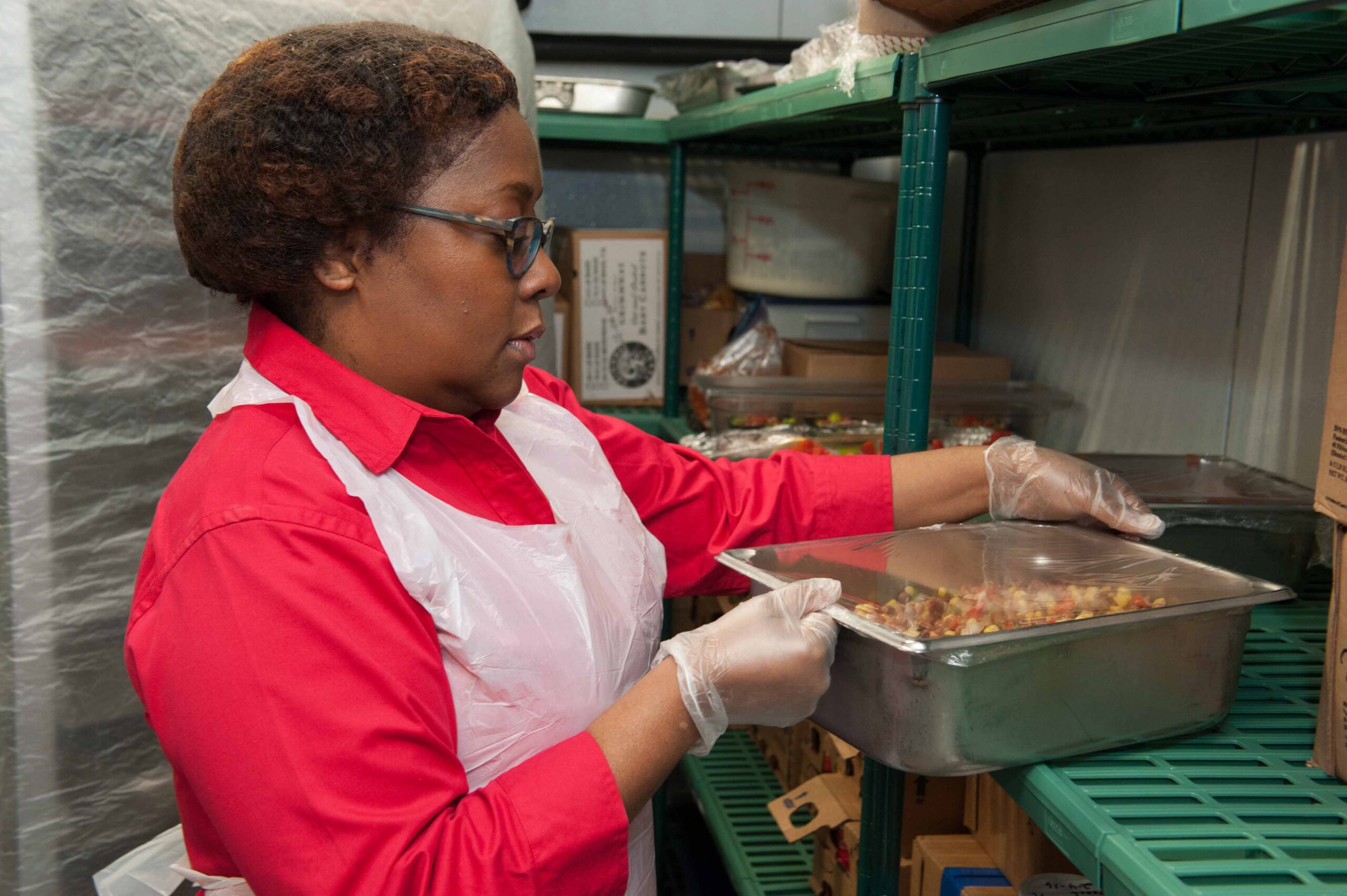
None of these questions require rejecting the product. They move the decision from “this sounds exciting” to “this is a good fit for our program.”
That’s the difference between innovation that strengthens a menu and innovation that quietly drains a food budget.
Is Innovation Good for School Nutrition Programs?
Yes. New products can boost participation, improve student satisfaction, and keep menus from feeling stale. But innovation only works when it’s built on a solid foundation, which means meal pattern requirements and financial solvency come first. Once you evaluate those two things, you can add unique or specialty items with a clear sense of what they contribute to the program.
The next time a new product comes across your desk with an exciting pitch, run it through the checklist before it hits the purchase order. That five-minute step separates a smart addition to your menu from a costly lesson.
If your team wants a closer look at how food cost and menu planning connect, SproutCNP’s School Nutrition District On-Demand Training & Tracking Membership covers practical operational skills for this kind of decision-making.
Not just the “why,” but the “how.”
Study Questions
It means introducing new food products or menu ideas to a school nutrition program. It's a good thing when the new item meets USDA meal pattern requirements and fits the program's budget.
Use the USDA Food Buying Guide for Child Nutrition Programs. It shows exactly how much of an item counts toward a specific food component and subgroup, based on serving size and preparation.
An item can be nutritious but fail to credit toward a specific subgroup a menu needs, cost significantly more per serving than an existing option, or require prep time and equipment the kitchen doesn't have.
Run a small pilot at one or two schools first. This shows actual participation and waste data before a program commits to ordering large quantities.
Financial solvency should always come first. Once finances are secure, a program can add unique or specialty items without putting the budget or compliance at risk.