Self-Service Food Safety in School Dining
September 24, 2026
Every October, schools across the country celebrate National Farm to School Month, a time to recognize the powerful connections between the classroom, the school cafeteria, and the farms that feed our nation’s school children. Congress designated October as National Farm to School Month in 2010, and since then it has become a season of farm visits, garden harvests, taste tests, and community celebrations. But Farm to School is much more than a once-a-year event. It is a year-round movement that changes how students eat, learn, and understand where their food comes from.
At its heart, Farm to School is about relationships between students and the food on their trays, between schools and local farmers, and between families and the agricultural community that surrounds and supports them. Whether your district is just starting out or has had a successful Farm to School program for years, October is the perfect time to celebrate what’s working, try something new, and invite the whole community to the table. The National Farm to School Network and USDA’s Celebrate National Farm to School Month page both offer free ideas and materials to help you plan.
Farm to School Always Has More to Teach Us
Dr. Beverly Girard shares a story that shows how much there is to learn, even for those of us who have worked in school nutrition for a long time:
Years ago, when I was teaching a course to new school nutrition directors in Vermont, the directors were talking about the price per gallon of maple syrup. I thought I knew a lot about Farm to School, but I had never considered the precious liquid gold my own husband’s family and friends had made for generations from sap tapped from towering maple trees each spring. With Farm to School, we all have more to learn.
The Three Core Elements of Farm to School
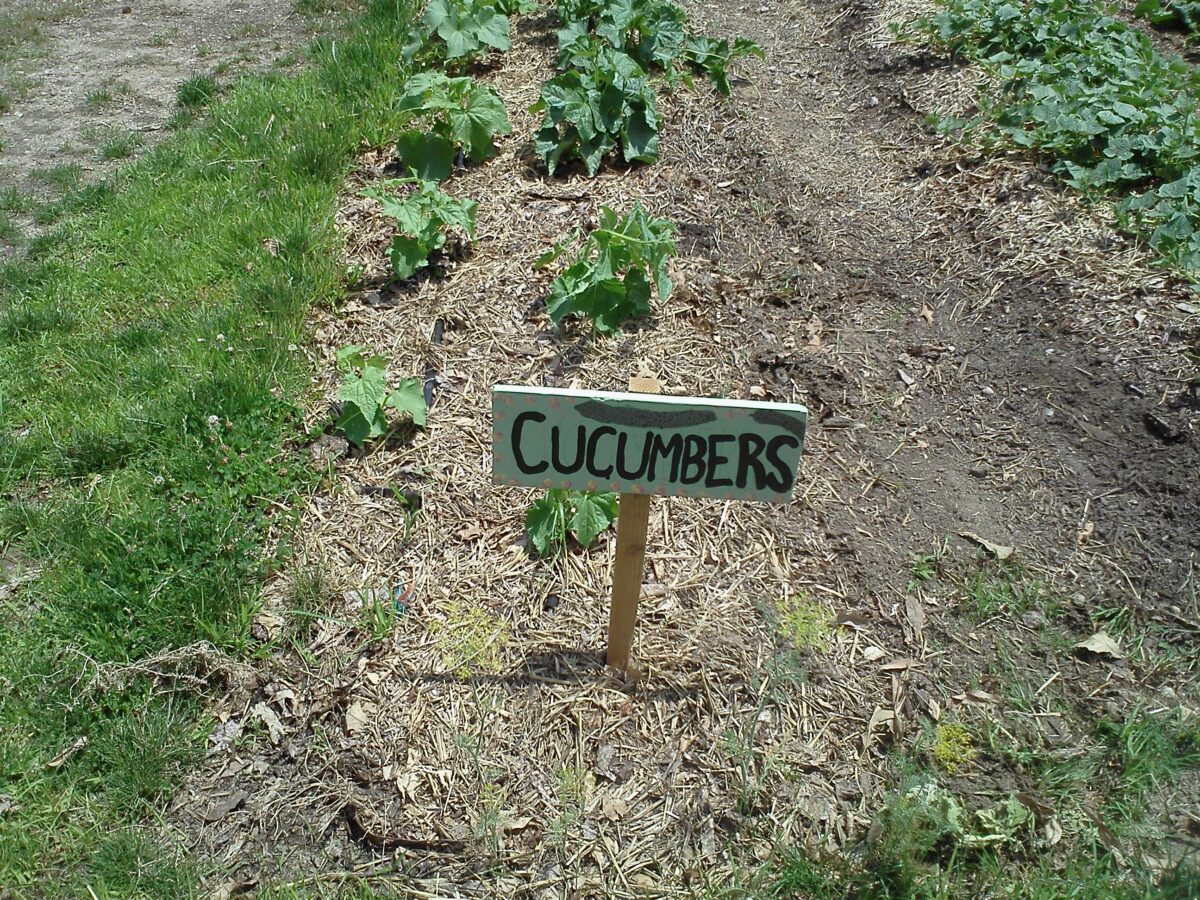
Farm to School programs look different from one district to the next, but nearly all share three core elements: local food procurement, education, and school gardens. When students learn about a crop in the classroom, grow it in a school garden, and then see it served in the cafeteria, the lesson resonates in a way no textbook can match.
Local Food Procurement: Bringing Farm to School to the Tray
Local procurement is the backbone of Farm to School. It means school nutrition programs purchase food grown, raised, or produced by farmers, ranchers, and growers in their own community, region, or state, and serve it in school meals and snacks.
When most people picture Farm to School, they think of crisp apples or bright green broccoli, and fresh fruits and vegetables are certainly a big part of it. But Farm to School products go far beyond fresh produce. Many school districts now purchase local beef and pork from nearby ranchers, which can be used in burgers, tacos, chili, meatballs, and breakfast sausage. Local chicken and eggs, milk, yogurt, and cheese from regional dairies, whole grains and flours from area mills, dried beans, honey, and even locally produced tortillas and breads may all have a place in Farm to School programs.
Some of the most exciting additions are small but mighty. Fresh herbs such as basil, cilantro, parsley, mint, and rosemary are an easy win. A handful of local herbs can transform a scratch-made sauce, a salsa, or a roasted vegetable dish, and give school kitchens a simple way to boost flavor without extra salt.
Buying local proteins and specialty products does take planning. School nutrition directors need to work with processors, confirm food safety certifications, and plan menus around seasonal availability. But the payoff is worth it: fresher food, more menu variety, and a deeper connection between students and the farmers who raise their food.
Farm to School Education in the Classroom and Beyond
The second core element of Farm to School is education. Farm to School education may include agriculture, nutrition, health, and the simple but profound question of where food originates. Many students have never seen a carrot pulled from the ground or met the person who raised the beef in their hamburger. These Farm to School lessons just might inspire a future farmer!
Education can take many forms. Teachers can weave Farm to School into math by having students measure garden beds to determine the amount of compost needed per square foot or calculate harvest yields. They can integrate Farm to School into science by studying soil, pollinators, and plant life cycles, and into social studies by exploring the history of agriculture and food production in their region. Nutrition lessons help students understand how the food they eat fuels their bodies, builds strong bones, and supports focus and energy in the classroom. Health lessons can connect eating habits to long-term wellness in a positive, age-appropriate way.
Some of the most memorable Farm to School education happens outside the classroom walls. Field trips to local farms, orchards, dairies, and farmers’ markets let students see agriculture up close. Visits from farmers, beekeepers, and ranchers bring real-world expertise into the school. Cafeteria taste tests turn lunchtime into a learning lab, where students can try a new food item, vote on whether they liked it, and talk about where it was grown.
School Gardens: Hands in the Dirt
The third core element of Farm to School is the school garden. A school garden can be as simple as a few raised beds outside a classroom window or as ambitious as a half-acre plot with fruit trees, a greenhouse, and a compost system. Whatever the size, school gardens give students the chance to plant seeds, water seedlings, pull weeds, and harvest the results of their work.
Gardens are living classrooms. They teach patience, responsibility, teamwork, and problem-solving. Research suggests the benefits can last well beyond the school years. A George Washington University study held focus groups with current elementary students and with older students who had aged out of the FRESHFARM FoodPrints program, which combines gardening, cooking, and nutrition lessons. Both groups said the program helped them enjoy fresh food and learn how to prepare it. Older alumni also said they felt more open to trying new foods and more confident making informed food choices.
School gardens can also supply small amounts of produce for classroom taste tests, school events, or even the cafeteria, as long as staff and students follow food safety guidelines and Good Agricultural Practices (GAPs). For tips on keeping student-facing food service safe, see our Food Safety Month post on Self-Service Food Safety in School Dining.
Farm to School: Growing Beyond the Traditional Field
Farm to School is also a window into the future of agriculture. Today’s farmers use innovative, nontraditional growing methods that extend seasons, conserve resources, and produce food in places where traditional farming might be difficult.
Hydroponics
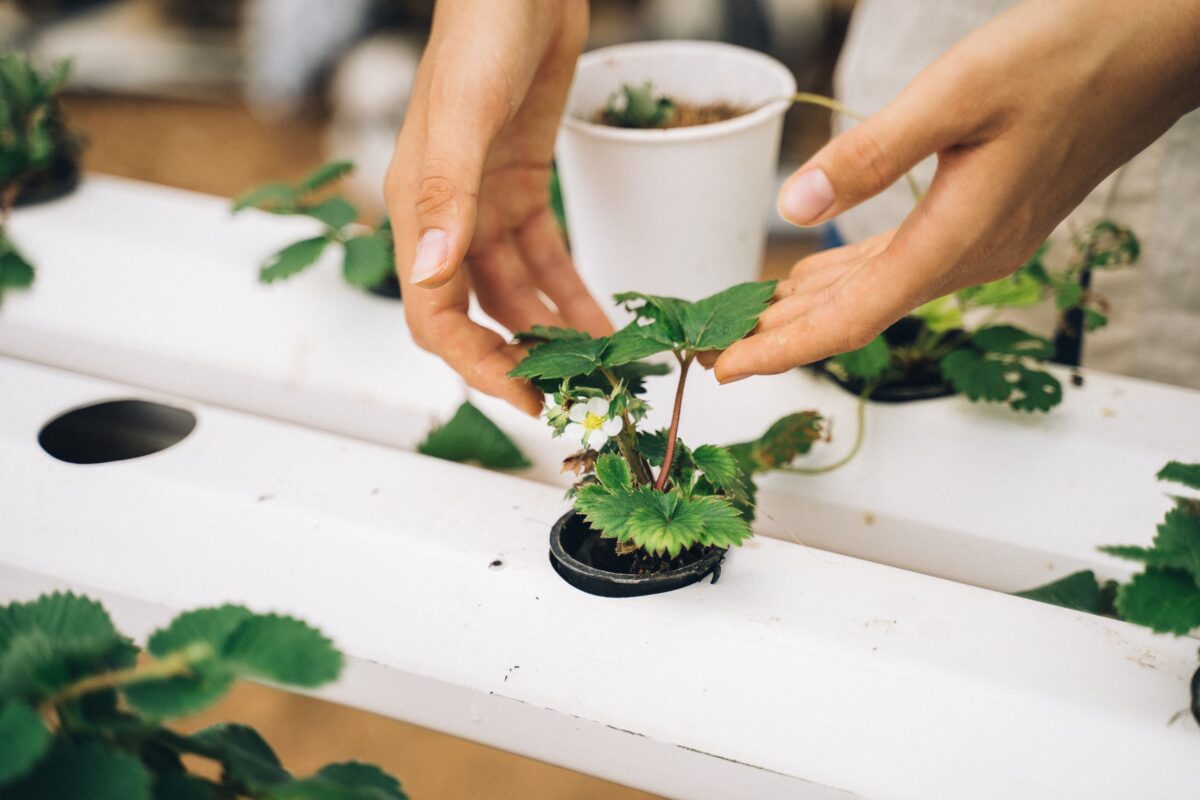
Hydroponics is a method of growing plants without soil, using nutrient-rich water instead. Staff or teachers can set up hydroponic systems indoors, in classrooms, or in commercial greenhouses to produce lettuce, herbs, microgreens, and tomatoes year-round. Many schools have added small hydroponic towers or grow carts to classrooms or the cafeteria, giving students a front-row seat to plant growth even in the middle of winter.
Aquaculture and Aquaponics
Aquaculture is the farming of fish and other aquatic animals, such as tilapia, catfish, trout, and shrimp. When aquaculture is combined with hydroponics, it becomes aquaponics: a system in which fish waste provides nutrients for plants, and the plants filter and clean the water for the fish. Aquaponics systems are fascinating science lessons in ecosystems, nutrient cycles, and sustainability, and some schools have integrated them into their science labs.
Hoop Houses
Hoop houses, also called high tunnels or polytunnels, are simple greenhouse-like structures made of curved metal or PVC hoops covered in plastic. They trap heat and protect crops from wind, frost, and heavy rain, allowing farmers and school gardeners to start planting earlier in spring and keep harvesting later into fall and winter. For Farm to School programs, hoop houses mean more local produce available during the school year, which is exactly when schools need it most.
Introducing students to these methods shows them that agriculture is a dynamic, high-tech field full of career opportunities in science, engineering, business, and food production.
Harvest of the Month: Featuring Local Foods All Year Long
One of the most popular and effective Farm to School strategies is Harvest of the Month. Each month, schools spotlight a single local food in the cafeteria, the classroom, and the community. The featured item might appear on the lunch menu in several different recipes, star in a classroom taste test, show up in the school newsletter with fun facts, or inspire a family recipe to try at home. Some school districts even ask local grocers to feature their Harvest of the Month products.
Harvest of the Month works because it’s simple, consistent, and flexible.
Sample Harvest of the Month Calendar
Here is a sample calendar that follows the school year and includes foods beyond fruits and vegetables:
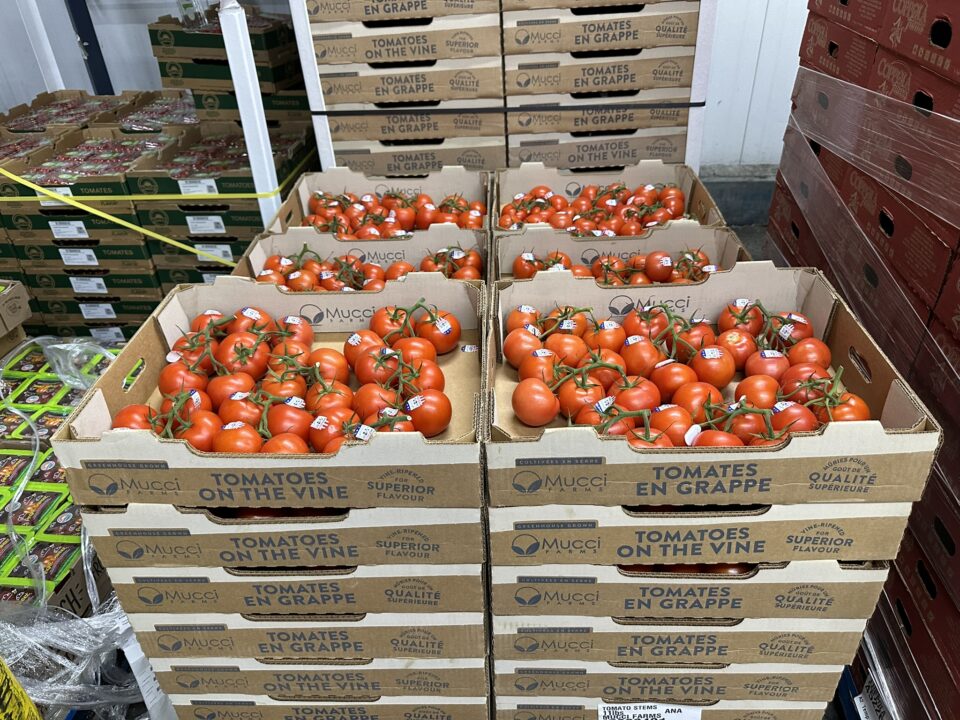
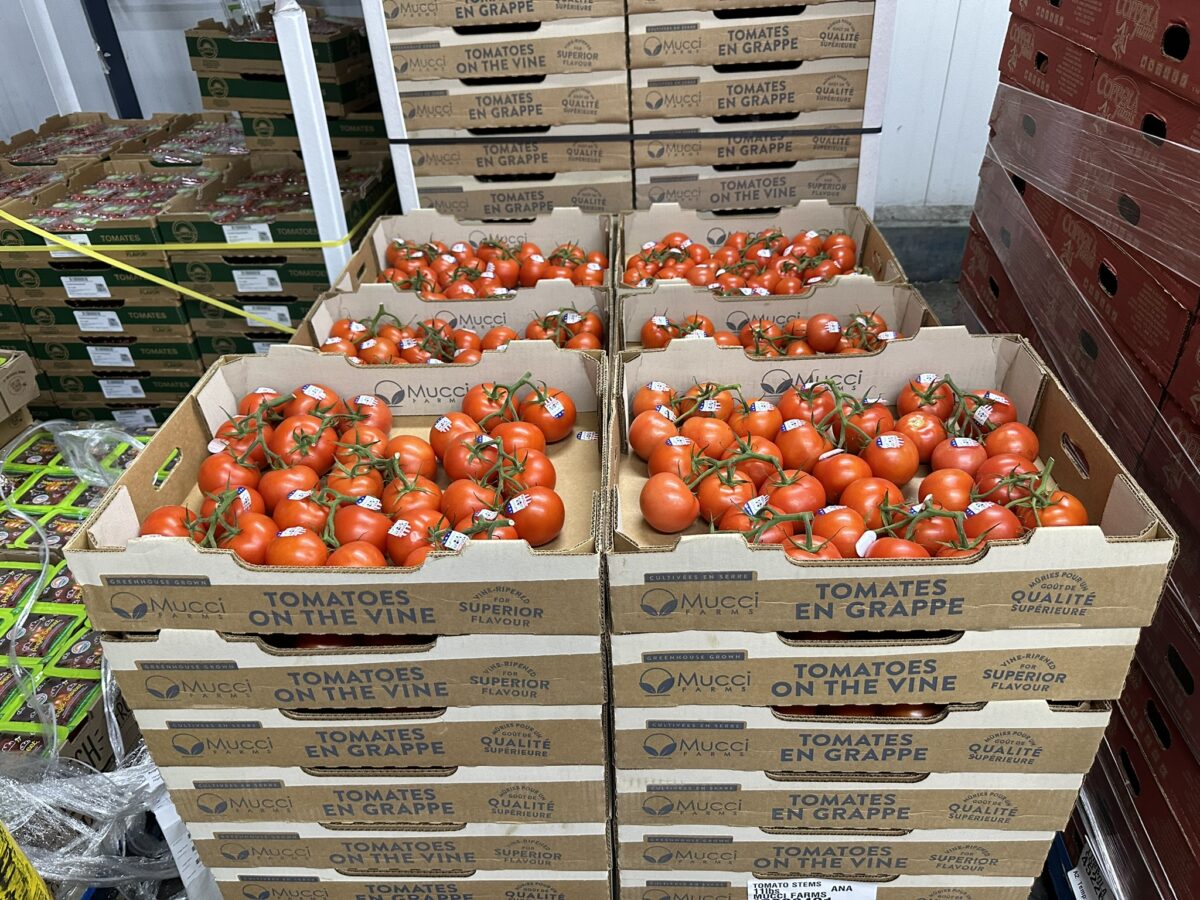
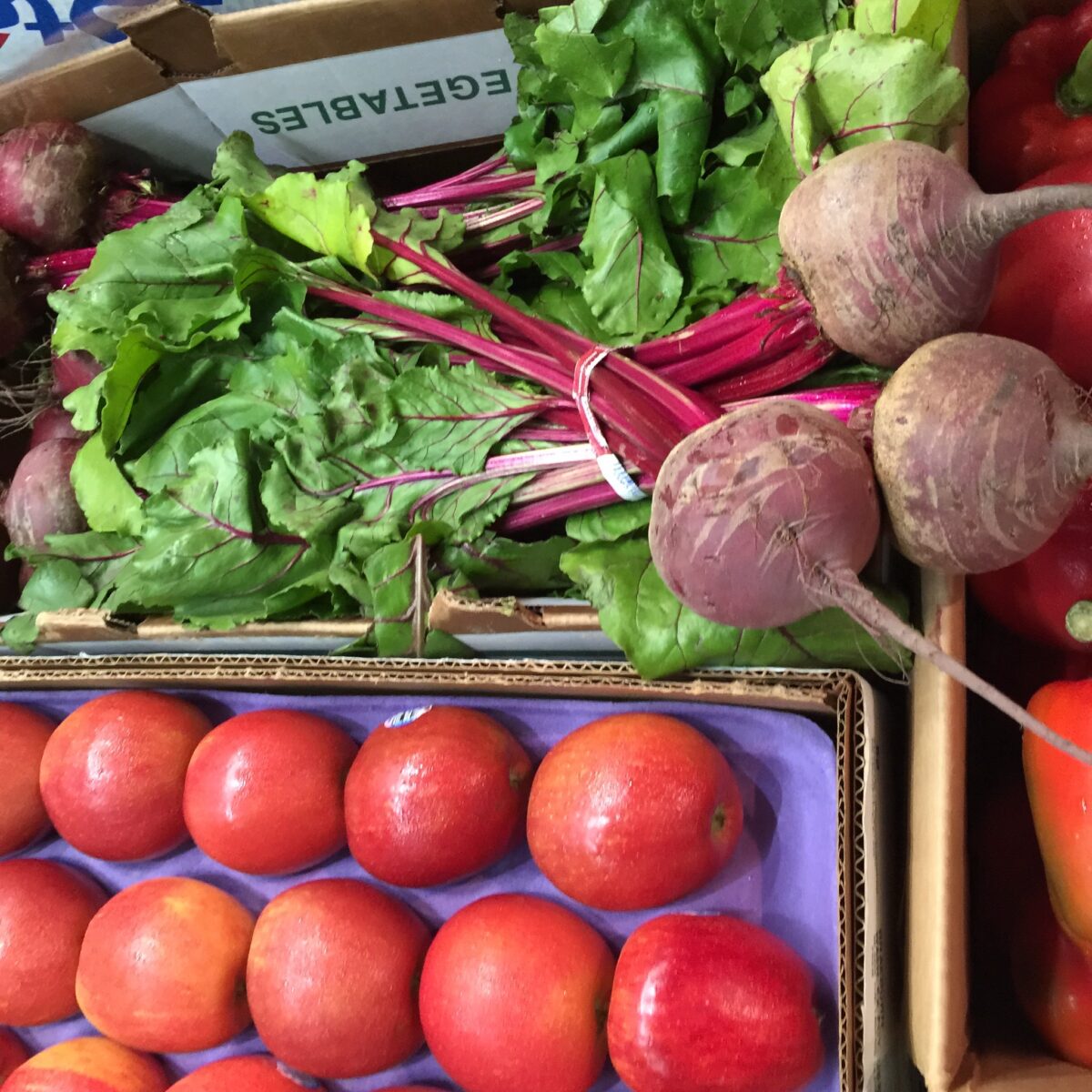
- August: Tomatoes, served fresh in salads, roasted in sauces, and paired with local basil.
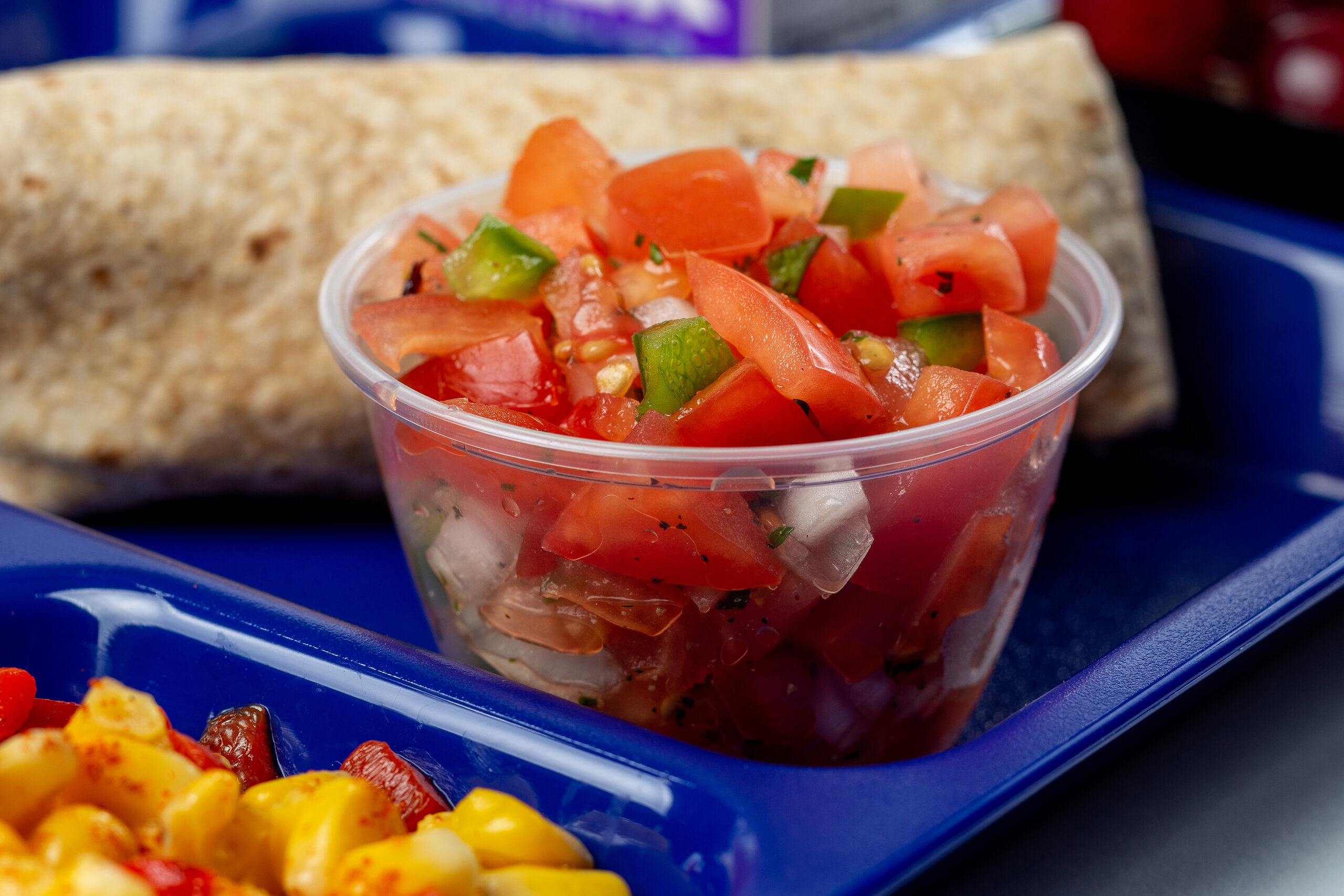
- September: Peppers, great for fajitas, salsa, and colorful veggie cups.
- October: Apples and sweet potatoes, perfect for celebrating Farm to School Month with taste tests, baked sweet potato fries, and fresh apple tastings.
- November: Winter squash and pumpkins, featured in soups, roasted cubes, and pumpkin bread.
- December: Local beef, highlighted in chili, tacos, or meatball subs, with a lesson on how ranchers raise cattle.
- January: Microgreens and hydroponic lettuce, a great winter feature that connects to lessons on indoor growing.
- February: Local dairy, including milk, yogurt, and cheese, with a look at how dairy farms operate.
- March: Leafy greens like collards, kale, and spinach, often grown in hoop houses through late winter.
- April: Fresh herbs, used in dressings, dips, and scratch-made sauces, along with a student herb-planting project.
- May: Strawberries, a sweet end-of-year favorite that pairs well with any meal.
Districts can adapt their Harvest of the Month calendar to match what grows best in their region and what local farmers can supply. The key is to celebrate each featured food across the entire school, so students encounter it again and again in different, positive ways.
Event Ideas for National Farm to School Month
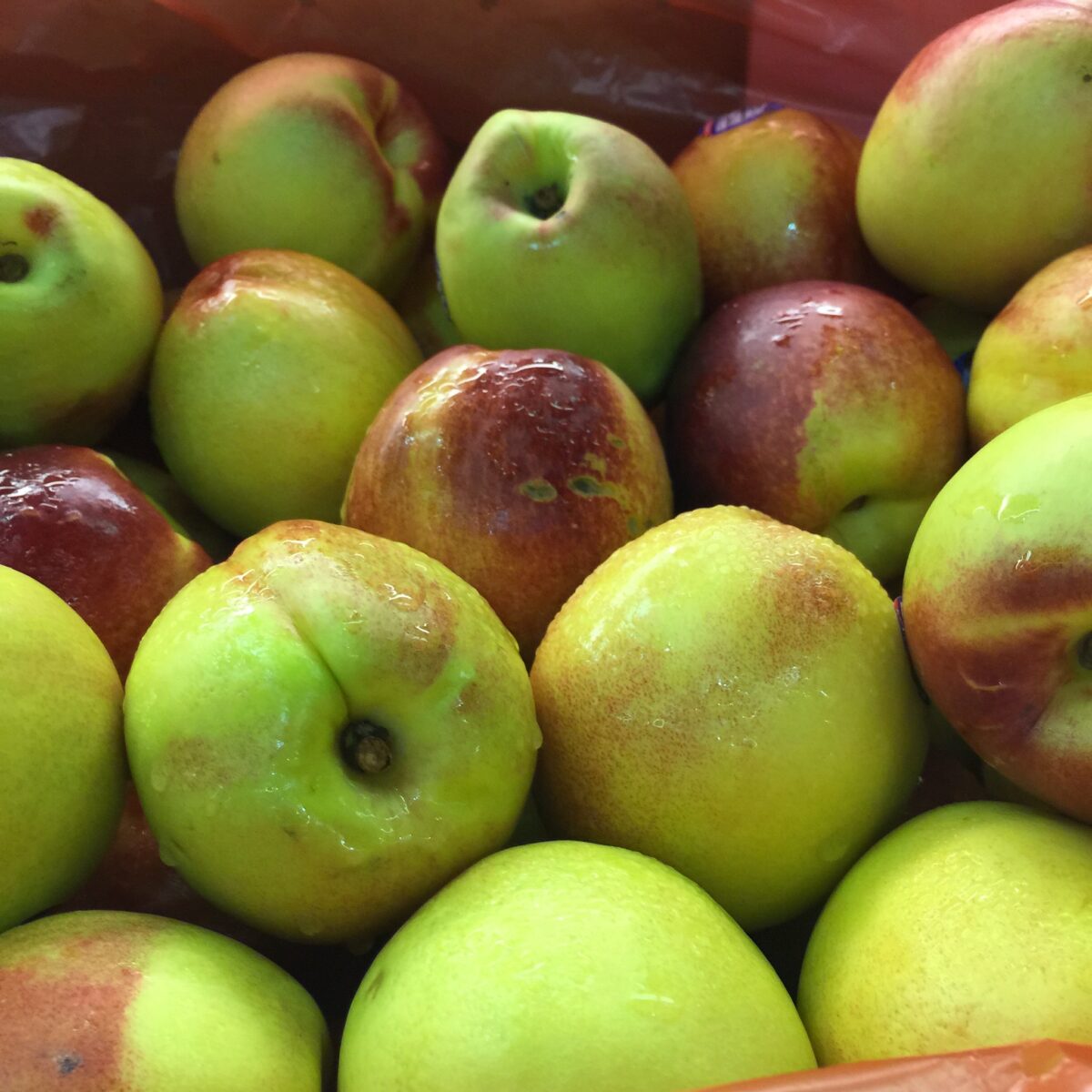
October offers endless opportunities to make Farm to School visible and fun. Consider hosting a Farm to School kickoff day with a special all-local lunch menu and signs in the cafeteria naming the farms that grew each item. Prepare a map of the farms and ranches that raised the food. Invite local farmers to eat lunch with students, answer questions, and share stories about their farms. Plan a “Crunch Off,” where students, staff, and families bite into local apples or carrots at the same moment to celebrate healthy local food.
Classroom taste tests of the October Harvest of the Month item are always a hit, especially when students can vote with stickers or ballots. A school garden harvest festival lets students show off what they’ve grown, while a farm field trip or virtual farm tour brings agriculture to life. Some schools host a family farm night with cooking demonstrations, recipe samples, and a small farmers market in the school parking lot. Students can join the fun by dressing up as their favorite farmer.
Others hold art or essay contests on the theme of where food comes from or ask students to design posters promoting Farm to School in their building. Sharing photos, farmer profiles, and menu highlights on school social media all month long helps the whole community join the celebration. For more event ideas and a national calendar of celebrations, visit Farm to School Month.
Keep Money in Your Community with Farm to School
Every dollar a school spends on local food supports the local economy. When schools buy from nearby farms, that money helps farmers pay employees, purchase supplies from local businesses, and reinvest in their operations. School districts are among the largest food buyers in many communities, and a steady, reliable school market can make a real difference for small and mid-sized family farms.
The numbers show how much school purchasing power adds up. According to USDA’s 2023 Farm to School Census, school food authorities spent about $1.8 billion on local food in school year 2022-23, roughly 16 percent of their total food purchases. Fluid milk made up about half of that spending, but more districts are now buying local grains, proteins, and dairy products beyond milk. That money flowed to farmers and manufacturers directly, and also through produce distributors, food hubs, and the USDA DoD Fresh program. Many districts also told USDA they would like to buy more local items with environmental or labor certifications, or from minority- and woman-owned businesses.
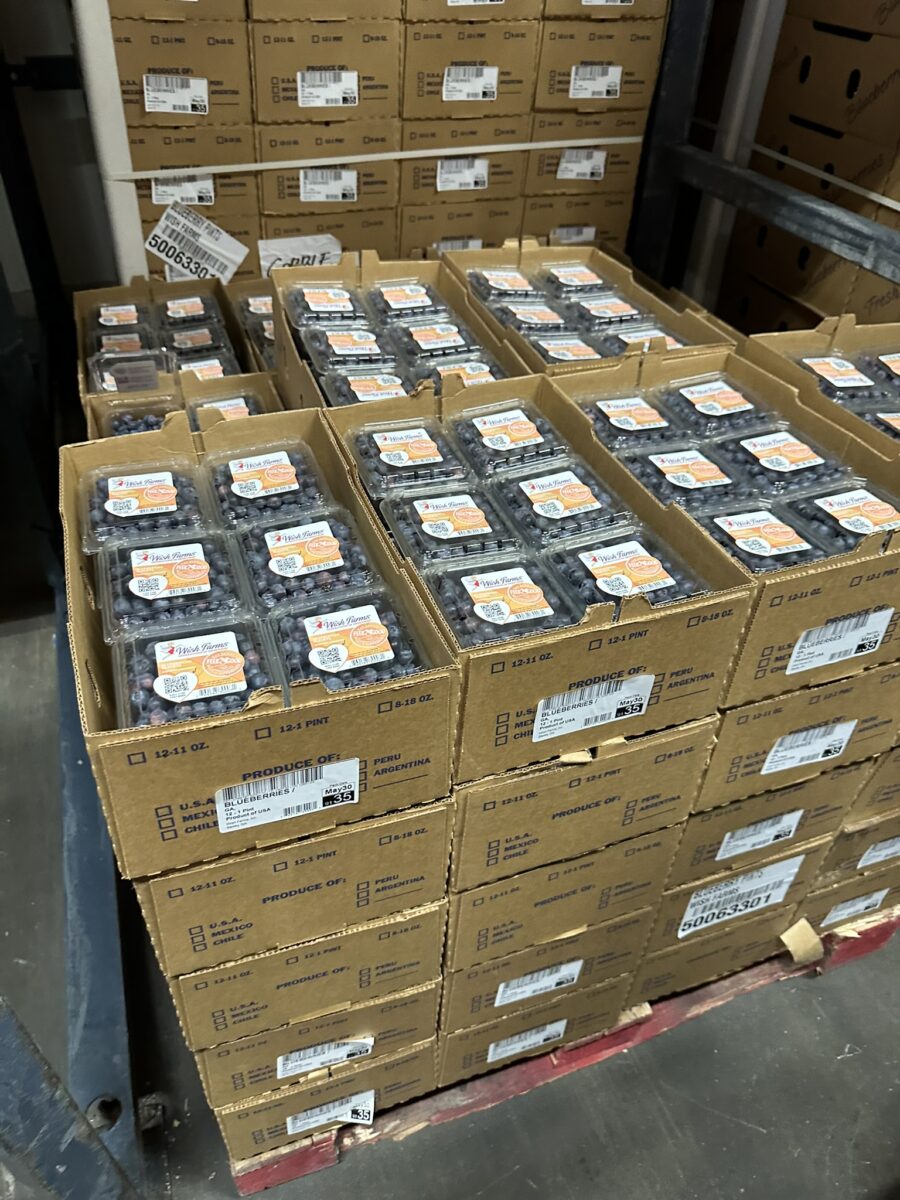
The same Census shows directors are building these programs with creativity and determination. School or district funds are the most common way programs pay for Farm to School activities, and about one in four participating districts runs its program with no supplemental funding at all. The number of districts using USDA Farm to School Grants doubled between 2019 and 2023. The most common challenges directors reported were finding enough local food and managing its cost, and many said more funding and help locating local suppliers would make it easier to grow their Farm to School programs. The results are worth the effort: among participating districts, 61 percent reported students eating more fruits and vegetables in school meals, and 41 percent reported higher meal participation.
Farm to School procurement also strengthens the local food system as a whole. It supports processors, distributors, and food hubs, creates jobs, and helps keep farmland in production. When families see local farm names on the school menu, they’re more likely to seek out those farms at markets and grocery stores. Supporting local farmers through Farm to School is an investment in the community’s health, economy, and future.
Families and Community Members: The Heart of Farm to School
No Farm to School program succeeds without the support of families and community members. Parents, grandparents, and neighbors who farm are some of the most valuable partners a school can have. Farming families bring firsthand knowledge, practical skills, and a genuine passion for agriculture that inspires students in ways few other experiences can.
Their support shows up in countless ways. Farming parents speak in classrooms, host field trips, donate seeds and supplies, help build raised beds and hoop houses, and share advice on what grows best in local soil. Community members volunteer in school gardens over the summer, lead cooking demonstrations, and serve on school wellness committees. Local businesses sponsor garden projects or Harvest of the Month materials. Every one of these contributions helps Farm to School grow stronger.
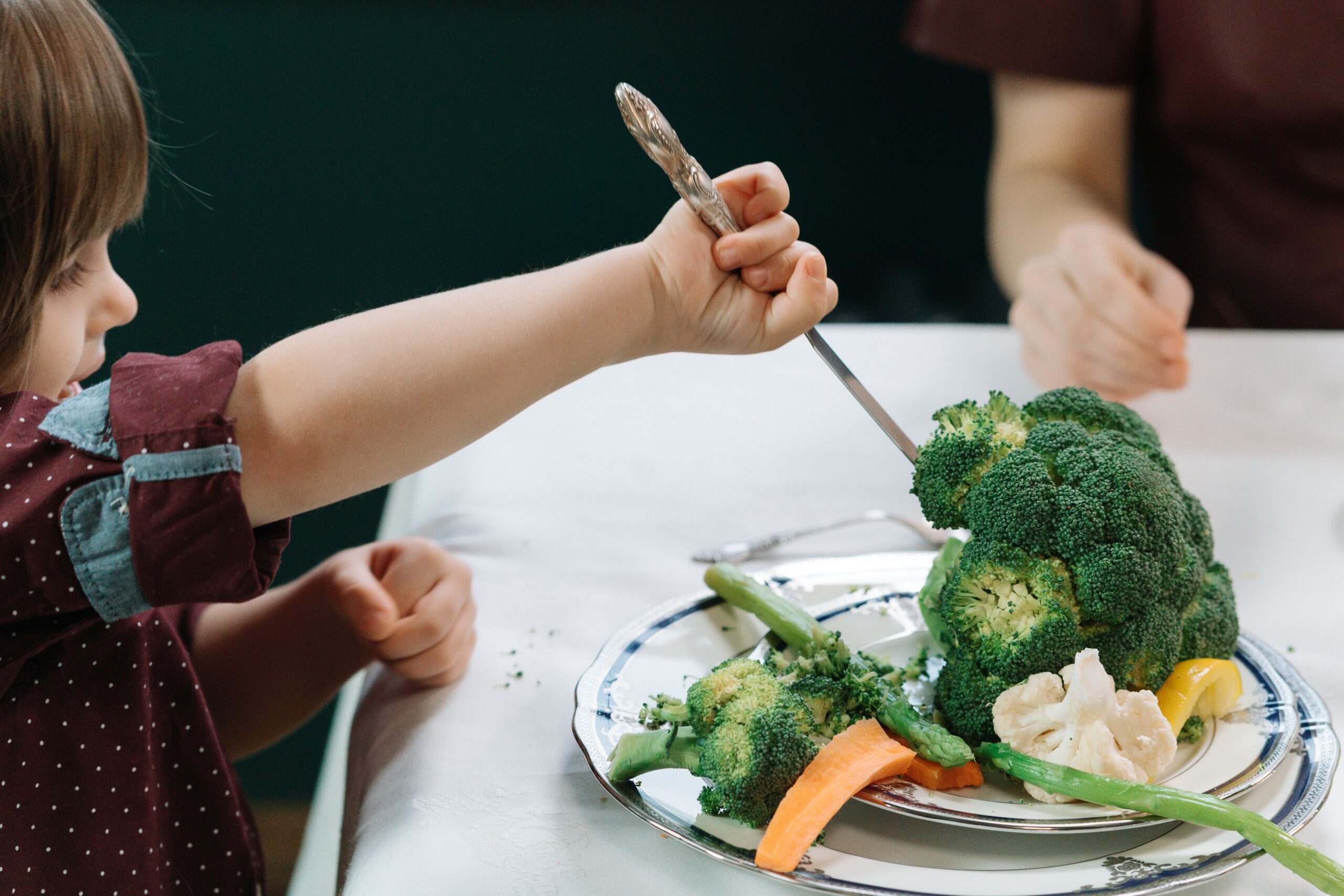
During National Farm to School Month, take time to thank these partners publicly. Recognize farming families at school events, feature them in newsletters, and encourage students to write thank-you notes to the farmers who grow their food. Families who aren’t involved in farming can help too, by trying Harvest of the Month recipes at home, shopping at local farmers markets, volunteering in the school garden, and simply asking their children what they learned about food at school today.
Growing Together through Farm to School
National Farm to School Month is a celebration, but it’s also an invitation. It invites students to try new foods and discover where they come from. It invites schools to establish stronger partnerships with local farmers. And it invites families and community members to see themselves as part of a shared food system that nourishes everyone.
Through local food procurement, hands-on education, school gardens, innovative growing methods, and a vibrant Harvest of the Month program, Farm to School creates healthier students, stronger farms, and more connected communities. This October, and every month of the year, let’s keep growing Farm to School together.
Looking for ways to build local foods into your menus and train your team to work with new products? Explore SproutCNP’s On-Demand Training & Tracker Membership for practical, on-the-job skills your entire team can use.
Resources for National Farm to School Month
Study Questions
The three core elements are local food procurement, education, and school gardens. When students learn about a food in class, grow it in a garden, and see it served in the cafeteria, the lesson sticks.
Schools can buy local beef, pork, chicken, eggs, milk, yogurt, cheese, whole grains, flours, dried beans, honey, tortillas, breads, and fresh herbs. These products add menu variety but take planning with processors and around seasonal availability.
Aquaponics combines fish farming with hydroponics. Fish waste provides nutrients for the plants, and the plants help filter and clean the water for the fish, which makes it a hands-on lesson in ecosystems and nutrient cycles.
Hoop houses trap heat and protect crops from wind, frost, and heavy rain. This extends the growing season, so more local produce is available during the school year, when schools need it most.
Money schools spend with local farms helps farmers pay employees, buy supplies from local businesses, and reinvest in their operations. It also supports processors, distributors, and food hubs, and helps keep farmland in production.