Summer Planning for School Nutrition: How to Use the Off-Season to Set Your Program Up for Success
June 5, 2026Training is one of the most powerful levers a school nutrition supervisor has. School nutrition training planning is also one of the easiest to deprioritize when the school year is in full swing. There’s always something more urgent competing for your attention.

That’s why summer is the right time to focus on school nutrition training planning. When you invest in training planning during the off-season, you don’t just check a compliance box. You build the consistency, skills, and culture that your program depends on all year long.
This post walks through the key training and operational planning tasks that belong on every supervisor’s summer checklist.
This is our second post in the “Summer is for Planning” series. Missed the first post? Read about how to use the summer to set your program up for success HERE.
School Nutrition Training Planning: More Than Just Meeting Hours
The USDA Professional Standards requirement sets a minimum number of annual training hours for school nutrition employees — but the requirement is a floor, not a ceiling.
As outlined in USDA’s Professional Standards guidelines, training requirements vary by role: directors need 12 hours annually, while managers and staff need between 6 and 10 hours depending on their classification. But the hours alone don’t determine whether training actually improves performance.
What makes training effective is whether it’s relevant, practical, and applied. A 2-hour video that staff forget by Tuesday doesn’t build skill. Well-designed training that connects directly to what someone does in their kitchen every day does.
Summer gives you the time to think about both — the hours and the quality.
Develop a Back-to-School Training Agenda
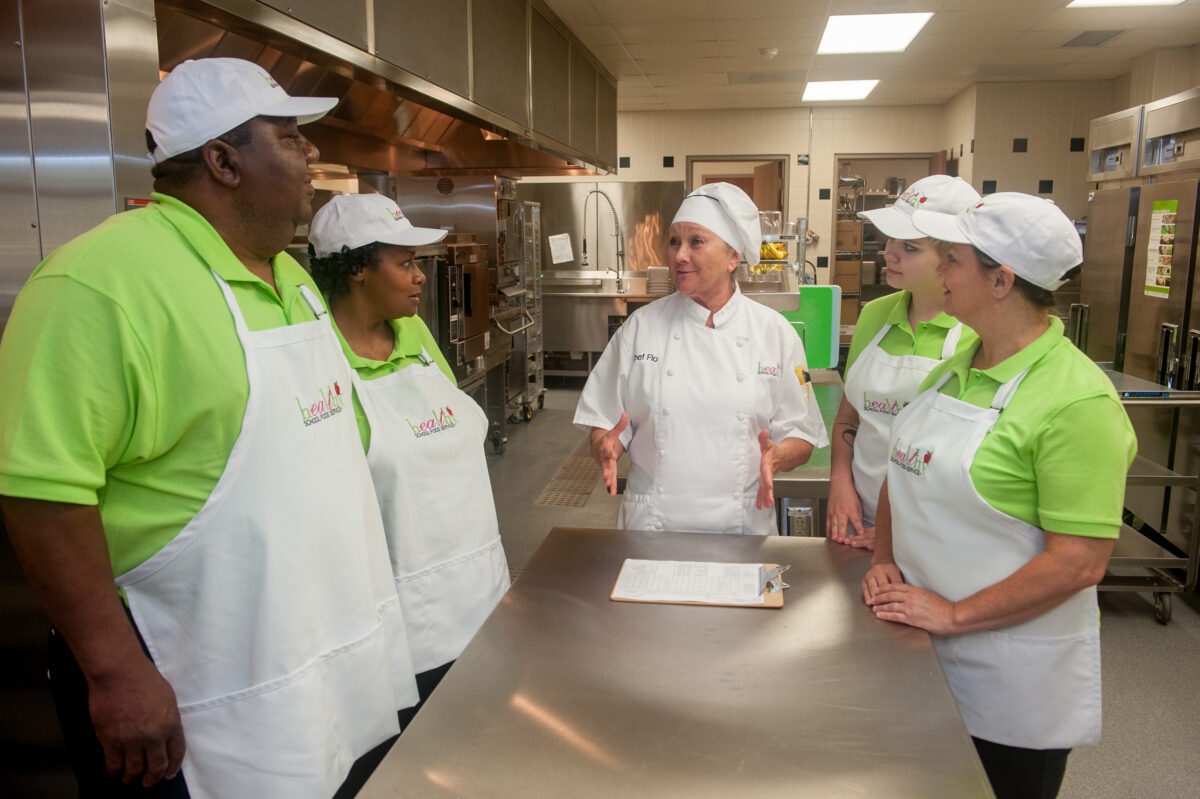
Back-to-school training is often the most important training event of the year. It sets the tone, establishes expectations, and gets staff aligned before students arrive. It deserves more than a rush job in August.
What to Include in School Nutrition Training Planning
A strong back-to-school training agenda typically covers:
- Food safety review and any updates to procedures
- Menu changes or new items being introduced
- Updates to USDA regulations or local policy
- Equipment changes or kitchen updates
- Operational expectations — portioning, timing, service flow
- Team culture, communication, and professional expectations
The mistake most programs make is cramming too much into a single session. A better approach is sequencing: what absolutely must happen before Day 1, and what can be introduced in the first weeks of school?
Update Outdated Training Materials
Before you finalize your agenda, audit what you’re working with. Training materials that reference old regulations, discontinued products, or outdated equipment don’t just fail to help. They create confusion.
Pull out your existing presentations, handouts, and videos. Ask yourself:
- Is this still accurate?
- Is it specific to how our kitchens actually operate?
- Does it reflect current USDA meal pattern requirements?
- Would a new employee understand it without additional explanation?
Materials that don’t pass that test need to be updated before they go in front of your staff.
Schedule Training for the Full Year
One of the most practical things you can do this summer during school nutrition training planning is to block out your full-year training schedule — not just back-to-school.
When training is scheduled in advance and communicated to staff early, you get better attendance, better preparation, and better follow-through. Training that gets squeezed in reactively tends to be rushed and less effective.
Consider distributing training across the year by topic:
- Fall: back-to-school, food safety, menu and portioning
- Winter: financial management, waste reduction, customer service
- Spring: professional development, end-of-year compliance, program review
Build your training calendar into your district calendar so it doesn’t get bumped when things get busy.
Update the Supervisor Program Review and Schedule Site Visits
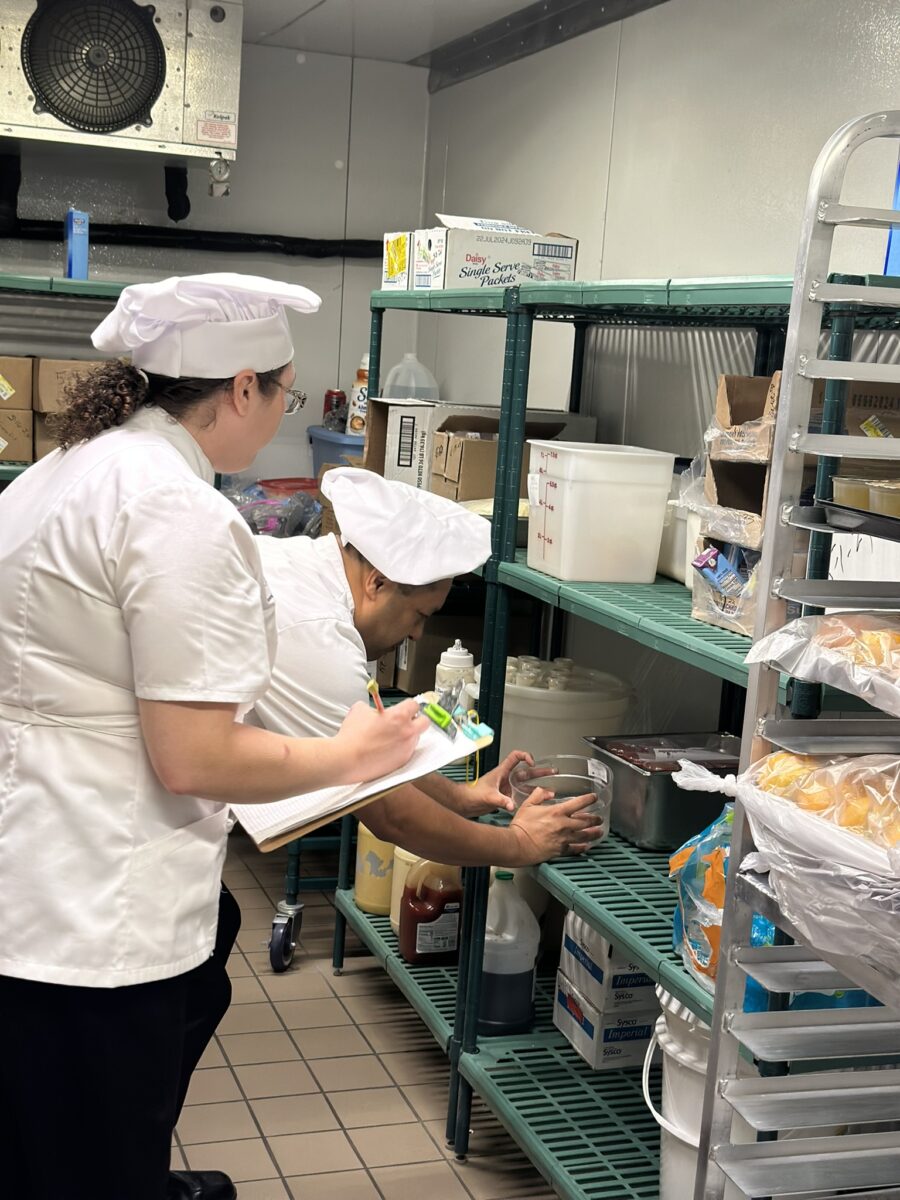
If you oversee multiple school sites, site visits are one of your most important quality assurance tools. They let you see what’s actually happening in kitchens, catch problems early, and give on-site staff direct support.
Summer is the time to:
- Update your program review checklist to reflect current standards
- Schedule all site visits for the year even if dates may shift
- Set clear expectations with site managers about what will be reviewed
- Create a consistent follow-up process for what happens after a visit
A supervisor who visits sites regularly and uses those visits constructively builds far more trust and consistency than one who only shows up when there’s a problem.
Set Up Meetings With New Vendors and Update Chemical Listings
Vendor relationships shape your program in ways that go beyond pricing. Summer is a good time to meet with new vendors, set expectations, and establish clear parameters for how they’ll work with your team.
New Vendor Onboarding
If you’re bringing on any new suppliers this coming year — food vendors, equipment companies, cleaning product distributors — schedule those introductory meetings now. Get clarity on:
- Order lead times and minimum orders
- Delivery schedules and flexibility
- Substitution policies when items aren’t available
- Contact protocols when issues arise
Setting these expectations early prevents the confusion that happens when a new vendor relationship starts during a busy week in October.
Update the Chemical Listing
This one gets overlooked, but it matters. Your chemical listing — the documentation of all cleaning and sanitizing products used in your kitchens — should be current and accessible at every site.
USDA food safety guidance requires that all cleaning and sanitizing agents used in school nutrition operations be appropriate for food contact surfaces and that staff are trained on their safe use. The FDA Food Safety Modernization Act (FSMA) also reinforces the importance of documented chemical management protocols.
Summer is the right time to review this list, remove discontinued products, add any new ones, and make sure your documentation is complete and accessible.
Schedule Vehicle Maintenance
If your program uses vehicles for food transport, catering, or summer meal service maintenance scheduling belongs on your summer list too. Vehicles that haven’t been serviced regularly become expensive emergencies.
Work with your district’s fleet or maintenance department to schedule all needed inspections, oil changes, and any outstanding repairs before the school year begins.
How SproutCNP Can Support Your School Nutrition Training Planning
Building a full-year training program from scratch is a significant undertaking. SproutCNP’s On-Demand Training and Tracking Membership is designed to make that work more manageable with expert-led, evidence-based courses that staff can access on demand, built-in CEU tracking, and content that connects directly to real school nutrition operations.
Learn more about how SproutCNP supports school nutrition training.
School nutrition training planning isn’t glamorous work. But it’s the kind of work that determines whether your staff shows up ready to serve students well or whether they’re figuring things out on the fly while kids are in line.
Use summer to build something better. Update your materials, schedule the year, meet with your vendors, and plan your program reviews. The investment you make now will pay off every single week of the school year.
Study Questions
USDA Professional Standards set minimum training hours, but hours alone don't ensure skill development. Effective training is practical, role-specific, and directly applicable to on-the-job tasks, not just time spent in a room or watching a video.
Supervisors should review all existing training materials for accuracy, relevance to current regulations and operations, and clarity for new employees. Outdated or unclear materials should be updated before they're used in training sessions.
Advance scheduling allows staff to plan ahead, improves attendance, and ensures training is distributed meaningfully across the year. Reactive training tends to be rushed and is less likely to result in lasting skill development.
New vendor meetings should establish order lead times, delivery schedules, substitution policies, and clear contact protocols for when issues arise. Setting these parameters early prevents confusion during the school year.
Chemical listings document all cleaning and sanitizing agents used across kitchen sites. They must stay current to reflect discontinued or new products and to support staff training on safe use, both of which are required under USDA and FDA food safety standards.