Community Eligibility Provision (CEP) Financial Analysis and Sustainability: What Program Leaders Need to Know
May 9, 2026Summer feels like breathing room. But for program leaders, summer planning for school nutrition is actually one of the most critical work seasons of the year. The cafeteria may be quiet, but your calendar doesn’t have to be.

This is the window to catch up, plan ahead, and fix what didn’t work last year. When you use summer intentionally for administration and planning, you go into fall with fewer surprises, a clearer direction, and a team that’s ready to execute.
Here’s how to make the most of it.
Summer Planning for School Nutrition: Why It Matters
Most school nutrition programs operate in reactive mode during the school year. There’s always a staffing problem, a delivery issue, or a compliance deadline pulling your attention away from the bigger picture. Summer gives you the rare chance to be proactive.
According to the USDA Food and Nutrition Service, school nutrition programs serve more than 29 million children every school day through the National School Lunch Program (2019). The administrative infrastructure behind those meals—the budgets, procedures, schedules, and systems—requires intentional planning that’s hard to do during the year, when you’re busy procuring, prepping, cooking, and serving meals.
Our team knows that supervisors who treat summer as a planning season report feeling more prepared, experiencing fewer start-of-year crises, and having better relationships with their teams. It’s the result of using this time well.
Update Your Calendars, Manuals, and Planning Documents
Start with the administrative foundation of your program. These documents guide daily operations, and outdated versions create confusion for you, your team, and anyone auditing your program.
Calendars and Order Deadlines
Build out your district calendar now while you can think clearly and check dates without the pressures of the school year. Summer planning for school nutrition means:
- Adding order deadlines for each vendor
- Scheduling inventory counts across all sites
- Blocking out promotion windows and meal theme days
- Noting key USDA reporting deadlines
Putting these in a shared calendar (one your whole team can access) reduces the number of last-minute scrambles you’ll have to field throughout the year.
Procedures Manual and SOPs
If your procedures manual hasn’t been touched in two or three years, it probably no longer reflects how your program actually runs. Summer is the time to fix that.
Walk through each Standard Operating Procedure (SOP) and ask:
- Is this still accurate?
- Is it written clearly enough for a new hire to follow?
- Does it reflect current USDA guidelines?
The USDA Professional Standards for School Nutrition Employees require that programs maintain documented procedures. Keeping your SOPs current is both a compliance requirement and a practical tool for consistency across kitchens.
Establish the Budget and Plan for Equipment Replacement
Budget season and summer often overlap, which makes this the right time to take a hard look at your financial picture before the school year locks in your spending.
Set Your Budget With Intention
A good summer budget process isn’t just plugging in last year’s numbers. It’s asking:
- Where did we overspend, and why?
- Which food costs are climbing, and how do we adjust?
- Are labor costs where they should be for our meal counts?
- Are there equipment or infrastructure needs that have been deferred?
Build your budget around what you actually know about your program’s operational needs based on data, not just what was approved last year.
Plan for Equipment Replacement
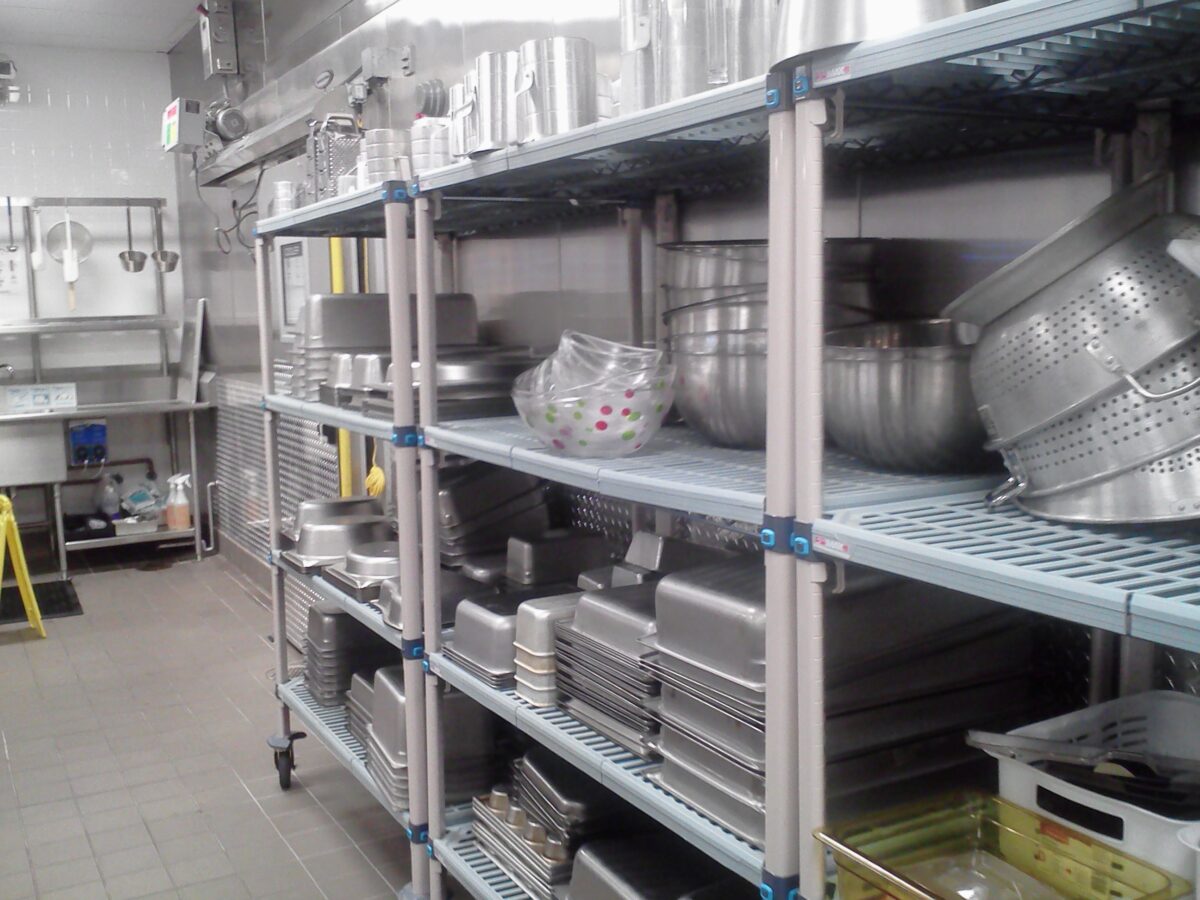
Equipment failures mid-year are expensive and disruptive. A single broken warmer or malfunctioning dishwasher can derail service at a site for days or even weeks. Use summer to assess your equipment inventory, flag items that are aging or underperforming, and build a replacement schedule into your 5-year plan.
This kind of forward planning and documentation is also what makes a strong case to district leadership when you need capital expenditures approved.
Review and Update Your 5-Year Plan
Not every school nutrition program has a formal 5-year plan, but those that do tend to make more consistent progress toward their goals. Summer is the time to either create one or revisit the one you have.
A practical 5-year plan for a school nutrition program typically addresses:
- Equipment replacement schedule
- Staffing projections and professional development goals
- Menu development and nutritional improvement targets
- Technology investments (point of sale, CEU tracking, reporting tools)
- Financial sustainability benchmarks
If yours hasn’t been updated recently, bring it in line with where your program actually is, and where you realistically want it to be.
Complete Summer Projects Before the Rush
Summer projects such as kitchen refreshes, equipment installations, and facility updates often get scheduled during this window because staff and contractors have more flexibility. The problem is that these projects can eat up more time than expected if they’re not managed well.
Before summer starts, make sure each project has:
- A clear scope and timeline
- A point person responsible for follow-up
- A completion deadline that leaves buffer time before school starts
Nothing derails a smooth school year opening faster than a renovation that ran two weeks long.
Update Goals and Action Plans for the Upcoming Year
If you set goals at the start of last year, now is the time to honestly assess how they went.
- What was accomplished?
- What stalled?
- What needs to change in the approach?
New goals for the upcoming year should be specific and tied to operational outcomes, not vague aspirations. “Improve staff training” is hard to measure. “Ensure all sites complete at least 6 hours of job-embedded training before December” is something you can track.
Document your goals, share them with your team, and connect them to the budget and calendar work you’re already doing. Goals that exist in isolation tend to stay there.
How SproutCNP Supports Your Summer Planning
Summer planning is easier when you’re not doing it alone. SproutCNP’s tools and resources are built for school nutrition supervisors who want to run stronger programs with practical support for training, operations, and professional development.
If you’re looking for a place to start, explore what SproutCNP offers for school nutrition professionals.
Summer planning for school nutrition isn’t about adding more to an already full plate. It’s about using a calmer season to do the foundational work that makes the rest of the year run better.
Updated calendars, realistic budgets, clear goals, and complete documentation don’t often happen during the school year. They happen now, in summer, when you have the time and space to get them right.
Use it well.
Study Questions
Summer provides a lower-pressure window to complete administrative and planning work that is difficult to prioritize during the school year. Programs that use this time intentionally tend to experience fewer operational surprises and start-of-year disruptions.
A thorough budget review should examine where overspending occurred, analyze food and labor cost trends, identify deferred equipment needs, and align financial projections with the program's actual operational requirements for the coming year.
SOPs should be reviewed at least annually, ideally each summer, to ensure they reflect current USDA guidelines, accurate program workflows, and language clear enough for new staff to follow without additional explanation.
Effective goals are specific, time-bound, and tied to measurable operational outcomes. A goal like 'improve training' is too vague to evaluate; a goal like 'complete site-level training for all staff by November 1' provides a clear benchmark for success.
A practical 5-year plan typically covers equipment replacement schedules, staffing and professional development projections, menu improvement targets, technology investments, and financial sustainability benchmarks aligned with program goals.